Blog

  • EC Directs West Bengal CEO to Register FIR Against Five Erring Officials

    EC Directs West Bengal CEO to Register FIR Against Five Erring Officials

    Kolkata, January 3:
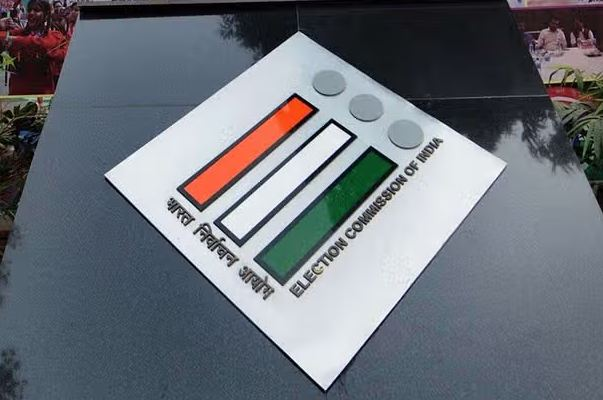
    The Election Commission of India (EC) has directed the Chief Electoral Officer (CEO) of West Bengal to register an FIR against five officials found guilty of violating election-related rules and procedures. The EC’s directive follows a detailed inquiry that revealed lapses in the conduct of election duties, including mishandling of polling materials and procedural irregularities during preparatory activities. The move underscores the commission’s zero-tolerance policy toward any breach of electoral norms and its commitment to maintaining free, fair, and transparent elections in the state.

    In its order, the EC emphasised that strict action must be taken against officials who compromise the integrity of the electoral process, warning that accountability measures will be enforced irrespective of rank or position. The commission also called on the state administration to cooperate fully with law enforcement agencies to ensure a swift and impartial investigation. Political observers noted that this development comes at a time when electoral vigilance is under intense scrutiny, and any deviation from prescribed protocols can have far-reaching implications for public confidence in the democratic process. The EC’s directive reflects its proactive approach in curbing malpractices and safeguarding the credibility of elections in West Bengal.
  • PM Modi Inaugurates Grand Exhibition of Sacred Piprahwa Relics in Delhi

    PM Modi Inaugurates Grand Exhibition of Sacred Piprahwa Relics in Delhi

    New Delhi, January 3:
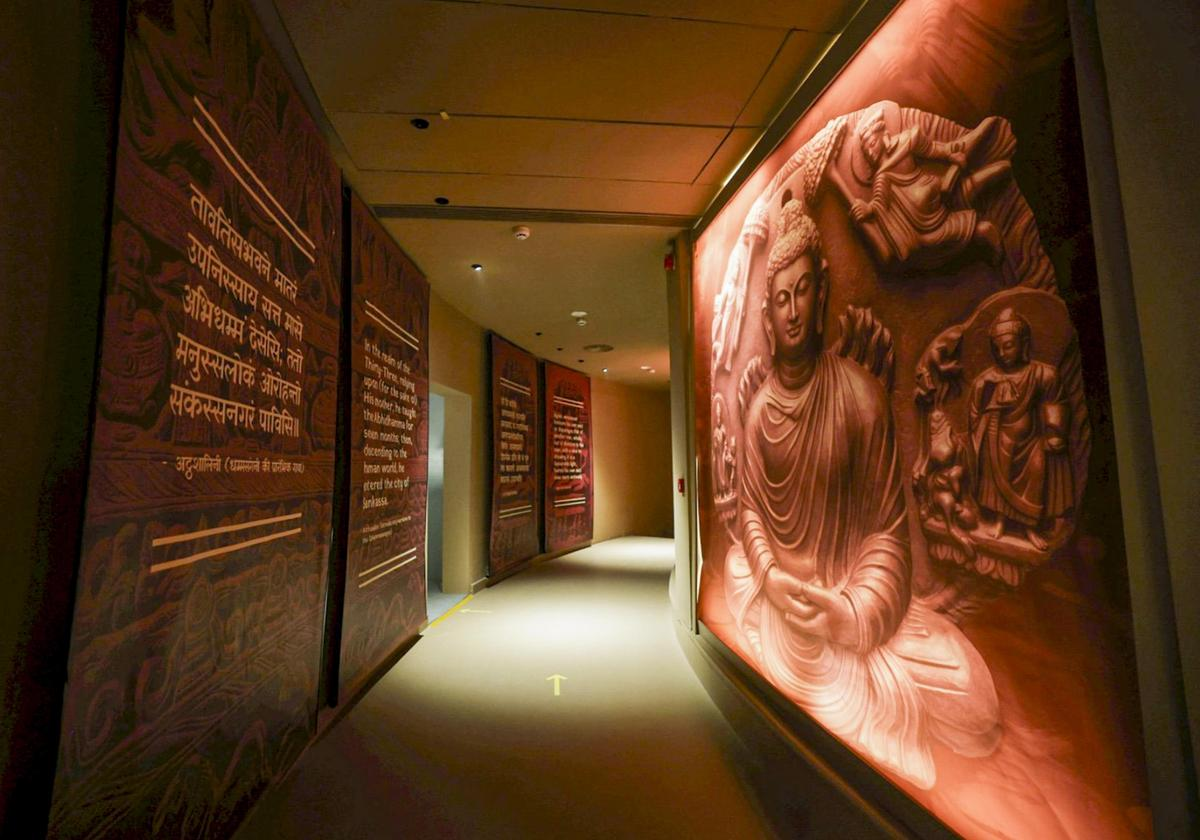
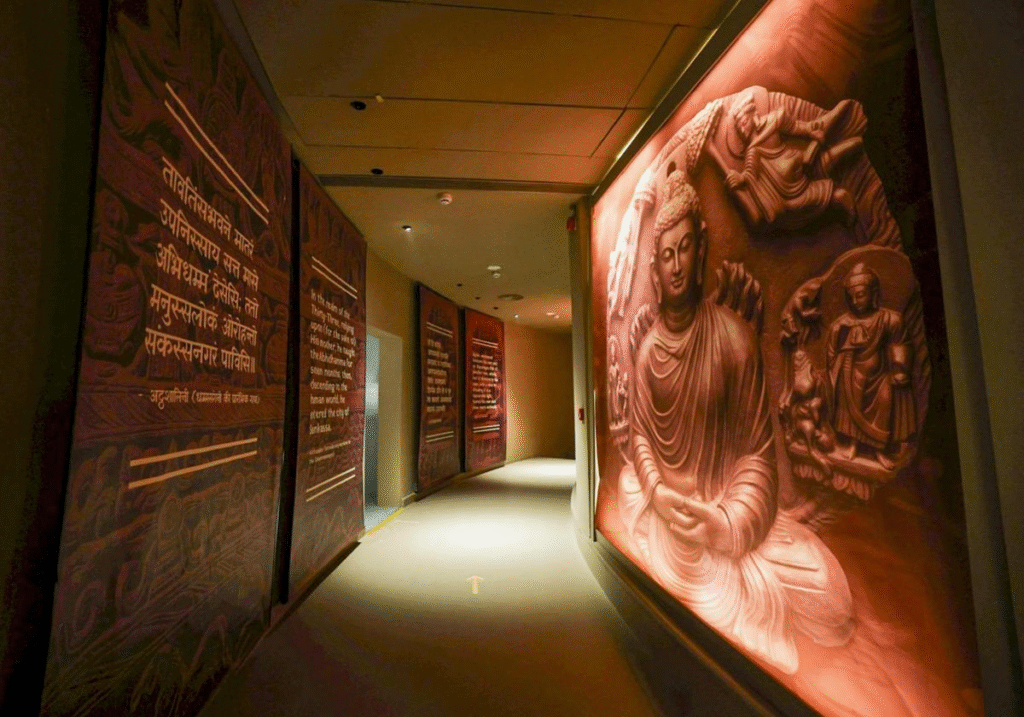
    Prime Minister Narendra Modi on Saturday inaugurated a grand exhibition showcasing the sacred Piprahwa relics, drawing attention to India’s rich Buddhist heritage and historical significance. The exhibition, held in Delhi, features ancient artifacts, inscriptions, and relics discovered at Piprahwa, which are believed to be associated with Lord Buddha. Speaking at the event, PM Modi emphasised India’s role as the custodian of Buddhist culture and its contribution to preserving global spiritual heritage. He highlighted that such exhibitions not only educate the public about India’s past but also strengthen cultural diplomacy and promote tourism.

    The Prime Minister urged citizens, especially the youth, to engage with India’s historical and spiritual legacy and learn from the teachings of Lord Buddha on peace, non-violence, and compassion. The exhibition includes interactive displays, rare manuscripts, and detailed explanations of the archaeological significance of the Piprahwa site, providing visitors with an immersive experience. Officials noted that the event also aims to foster international interest in India’s Buddhist sites and encourage scholarly research. Observers said the inauguration underscores the government’s commitment to preserving and promoting India’s cultural and religious heritage while reinforcing the country’s position as a global hub for historical and spiritual tourism.

  • Rajasthan CM Bhajanlal Sharma to Inaugurate BJP Workshop at Constituency Level

    Rajasthan CM Bhajanlal Sharma to Inaugurate BJP Workshop at Constituency Level

    Jaipur, January 3:
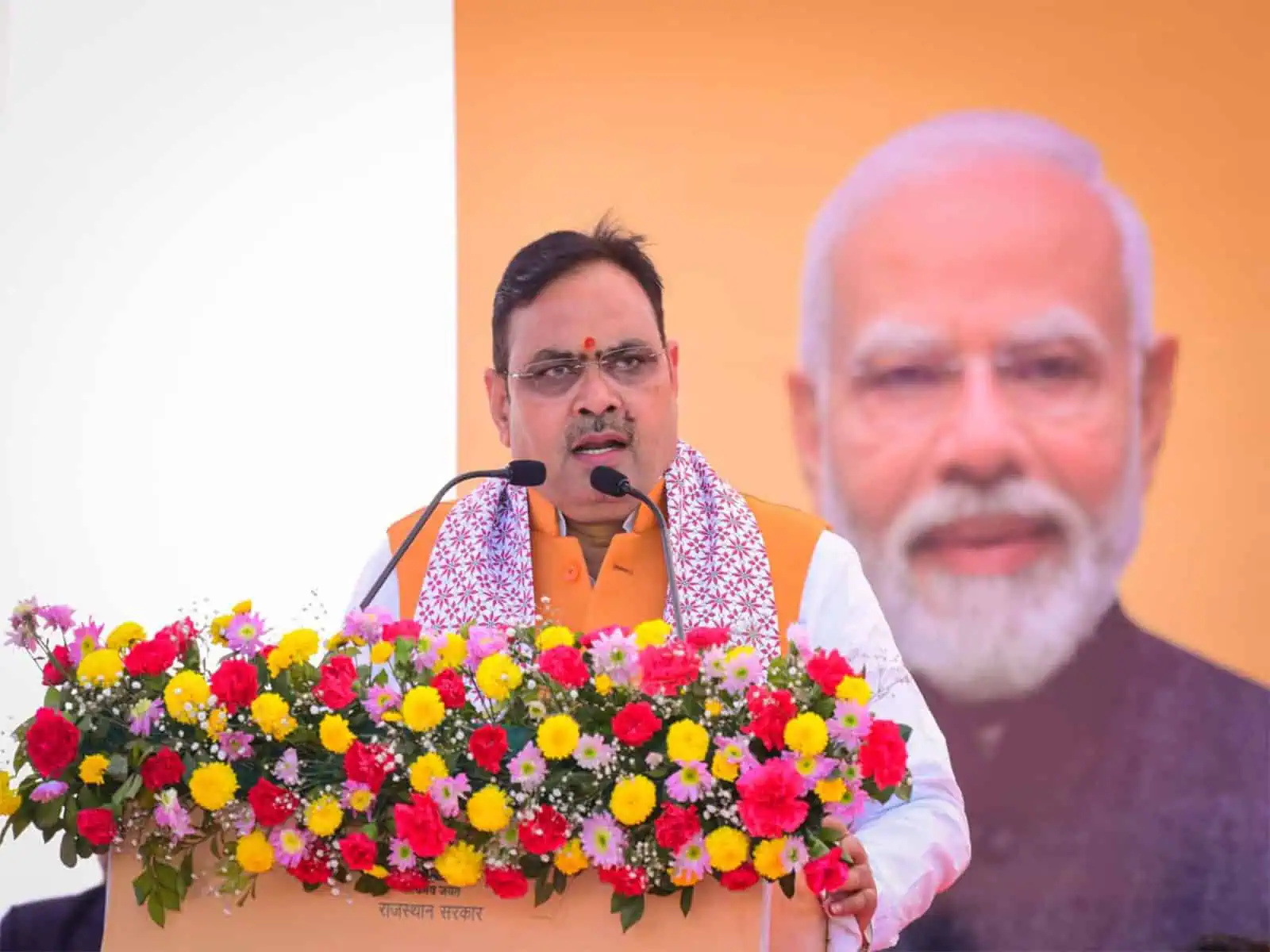
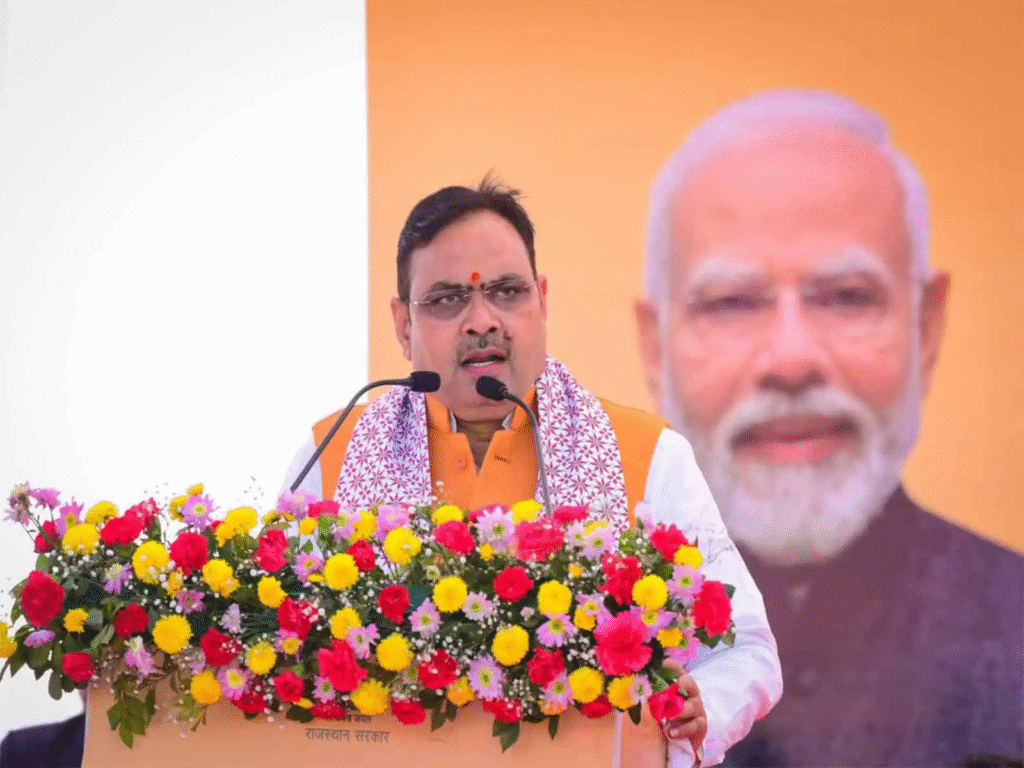
    Rajasthan Chief Minister Bhajanlal Sharma is scheduled to inaugurate a Bharatiya Janata Party (BJP) workshop at the constituency level on Saturday, aimed at strengthening party organisation and mobilising grassroots workers ahead of upcoming elections. The workshop will focus on training party workers, reviewing electoral strategies, and improving outreach to voters across the state. Speaking ahead of the event, CM Sharma emphasised the importance of engaging with citizens at the local level and building a robust party framework to ensure effective communication of development initiatives and government schemes.

    The workshop is expected to cover topics such as voter awareness campaigns, digital outreach, volunteer management, and constituency-level planning. Party leaders noted that such workshops are crucial for consolidating support, addressing local concerns, and preparing the cadre for future political challenges. In addition to the Chief Minister, senior BJP leaders from the state and central leadership are likely to attend and interact with local workers to motivate them for effective campaigning. Analysts say the event reflects the party’s focus on grassroots mobilisation and the strategic importance of nurturing party infrastructure to maintain its electoral edge in Rajasthan.

  • Ballari Clash: DK Shivakumar Defends Valmiki Statue Event, Blames BJP for Law and Order Breakdown

    Ballari Clash: DK Shivakumar Defends Valmiki Statue Event, Blames BJP for Law and Order Breakdown

    Bengaluru / Ballari, January 3:
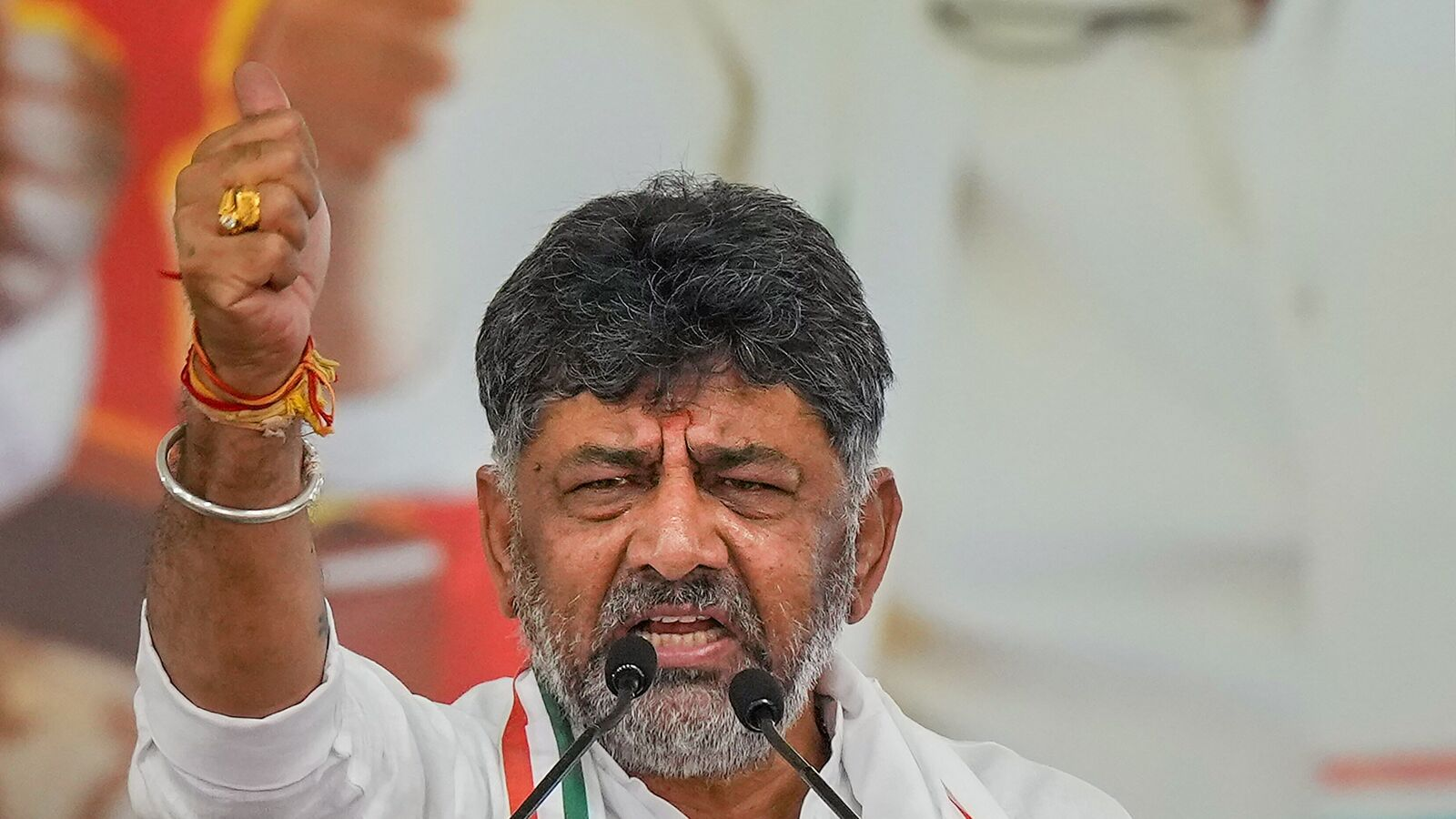
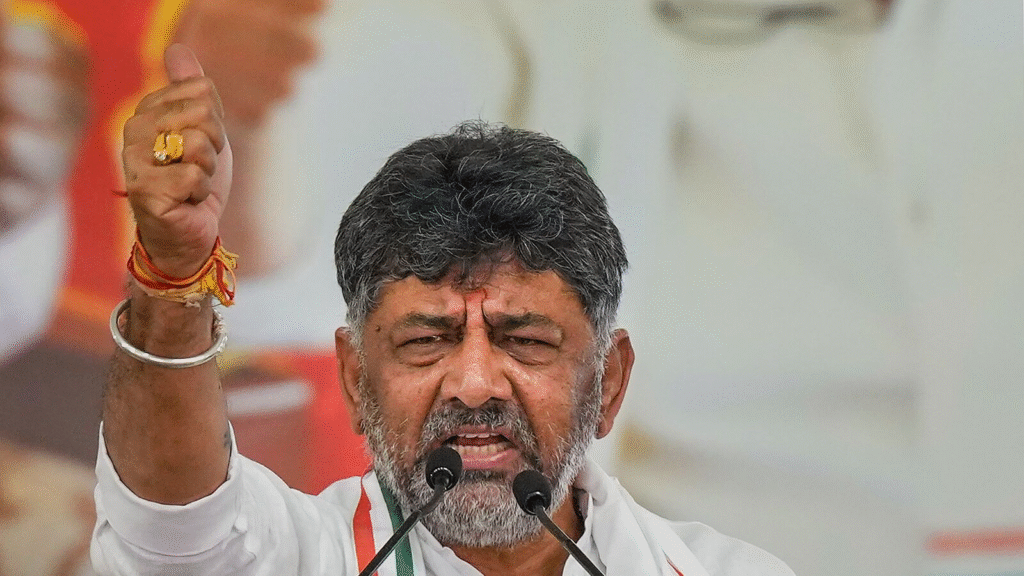
    Karnataka Deputy Chief Minister DK Shivakumar on Saturday defended the Valmiki statue inauguration event in Ballari, asserting that the programme was conducted peacefully and in accordance with official permissions. Responding to criticism following violent clashes in the district, Shivakumar squarely blamed the Bharatiya Janata Party (BJP) for creating a charged atmosphere and disrupting law and order. He said the event was organised to honour Maharshi Valmiki and celebrate social harmony, but alleged that certain political forces attempted to provoke unrest for electoral and political gains.

    The Congress leader further accused the BJP of politicising the incident and misleading the public instead of cooperating with the state government to maintain peace. Shivakumar stated that the Karnataka government is committed to strict action against anyone found responsible for violence, irrespective of political affiliation. He emphasised that maintaining law and order is a collective responsibility and urged opposition parties not to inflame tensions. The Deputy Chief Minister’s remarks come amid heightened political sparring in the state, with both ruling and opposition parties trading accusations over responsibility for the clashes, as authorities continue investigations and deploy additional security to restore normalcy in Ballari.

  • Tamil Nadu CM MK Stalin Launches DMK Election Manifesto Portal for 2026, Invites Public Participation

    Tamil Nadu CM MK Stalin Launches DMK Election Manifesto Portal for 2026, Invites Public Participation

    Chennai, January 3:
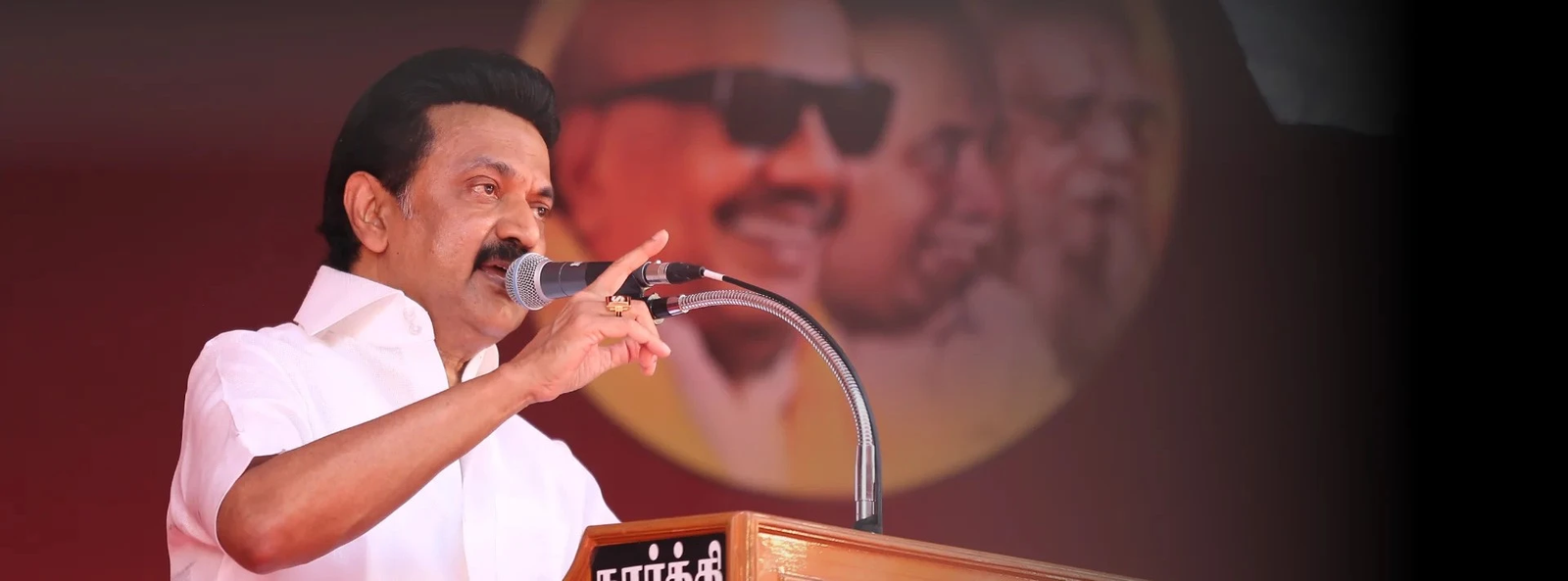
    Tamil Nadu Chief Minister and DMK president MK Stalin on Saturday launched the Dravida Munnetra Kazhagam’s election manifesto portal for the 2026 Assembly elections, marking a key step in the party’s early poll preparations. Unveiling the digital platform in Chennai, Stalin said the initiative aims to directly involve citizens in shaping the party’s vision and policy agenda for the next term. He emphasised that the manifesto would reflect people’s aspirations, everyday concerns and long-term developmental goals, reinforcing the DMK’s commitment to participatory governance.

    The Chief Minister stated that the portal will allow citizens, experts, party cadres and social organisations to submit suggestions across sectors such as education, healthcare, employment, social justice, women’s welfare, infrastructure and economic development. Stalin highlighted that the DMK has a tradition of translating its manifesto promises into concrete governance outcomes and said public feedback would help strengthen accountability and transparency. Party leaders present at the launch described the portal as a bridge between the government and the people, noting that the exercise signals DMK’s intent to begin policy consultations well ahead of the 2026 polls. The move has drawn attention across political circles, with observers viewing it as an effort to consolidate grassroots support and showcase the party’s governance-centric approach ahead of the upcoming Assembly elections.

  • In Government With Those Who Accused Me of Corruption: Ajit Pawar Takes Veiled Swipe at Political Rivals

    In Government With Those Who Accused Me of Corruption: Ajit Pawar Takes Veiled Swipe at Political Rivals

    Pune, January 3:
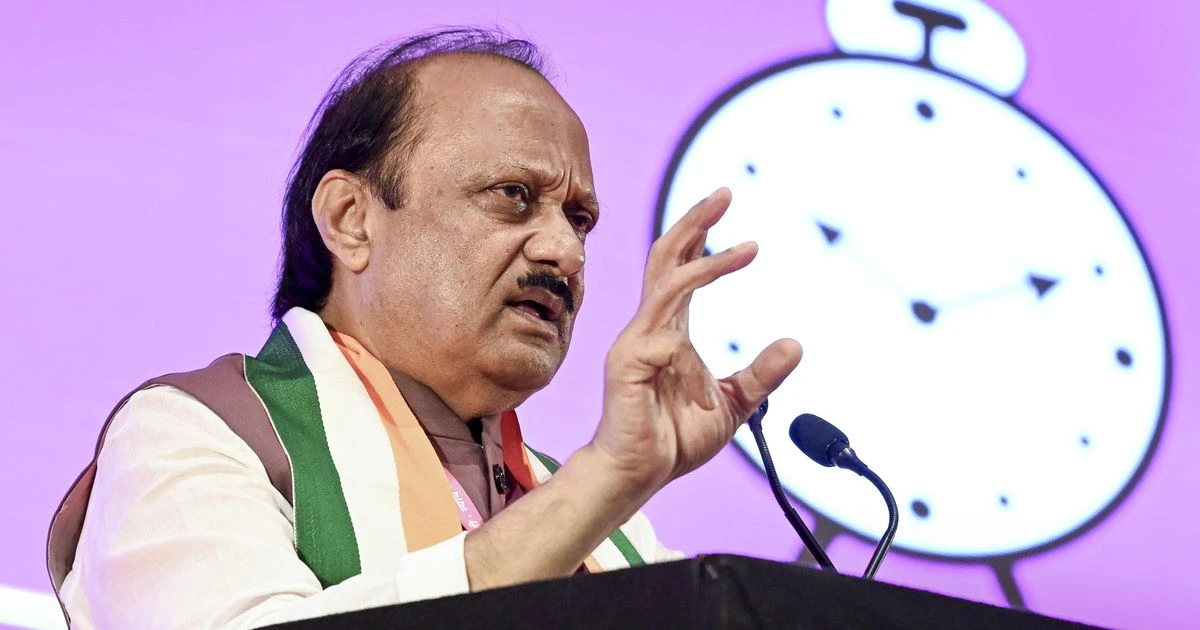
    Maharashtra Deputy Chief Minister Ajit Pawar on Saturday made a pointed political remark, stating that he now finds himself “in government with those who once accused me of corruption,” in what is being widely seen as a veiled swipe at both opposition critics and alliance partners. Addressing a public gathering, Pawar said politics often takes unexpected turns, forcing leaders to adapt to changing circumstances and alliances. His comments come amid continued speculation about internal dynamics within the Mahayuti coalition and the evolving political equations in the state.

    Political observers noted that Ajit Pawar’s statement reflects lingering tensions and unresolved narratives surrounding past allegations and present-day power-sharing arrangements. While he did not name any individual or party, the remark has triggered renewed debate over political accountability, ideological consistency, and coalition compulsions in Maharashtra politics. Party insiders said Pawar was highlighting the contradictions of political discourse, where rivals often become partners in governance. The statement has added fuel to ongoing discussions about trust, transparency, and the sustainability of alliances as Maharashtra heads towards key political and electoral milestones.

  • Gandhi Was Killed by Godse Once, This Government Is Killing Him Again, Says Opposition Leader

    Gandhi Was Killed by Godse Once, This Government Is Killing Him Again, Says Opposition Leader

    New Delhi, January 3:
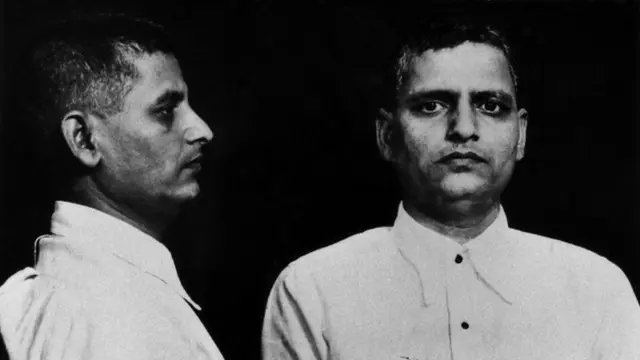
    An opposition leader on Saturday launched a sharp attack on the Centre, alleging that the present government is undermining the values and legacy of Mahatma Gandhi. Making a strong statement, the leader said that while Nathuram Godse physically killed Gandhi once, the current regime is “killing him again” by weakening the principles of non-violence, truth, social harmony and constitutional morality that Gandhi stood for. The remark was made during a political address while criticising recent government actions, which the leader claimed run contrary to the ideals that guided India’s freedom struggle.

    The statement has triggered strong political reactions, with ruling party leaders dismissing the comments as exaggerated and politically motivated, while opposition parties rallied behind the sentiment, calling it a reflection of growing public concern over democratic values. Political analysts noted that invoking Mahatma Gandhi’s legacy remains a powerful tool in Indian political discourse, often used to question governance styles and ideological direction. The remarks are expected to intensify the political debate, particularly as parties position themselves ahead of upcoming elections, with issues of constitutional values, secularism and democratic institutions taking centre stage.

  • SRK Understood Not to Go Against Sanatanis, Says BJP Leader Sangeet Som

    SRK Understood Not to Go Against Sanatanis, Says BJP Leader Sangeet Som

    Meerut, January 3:
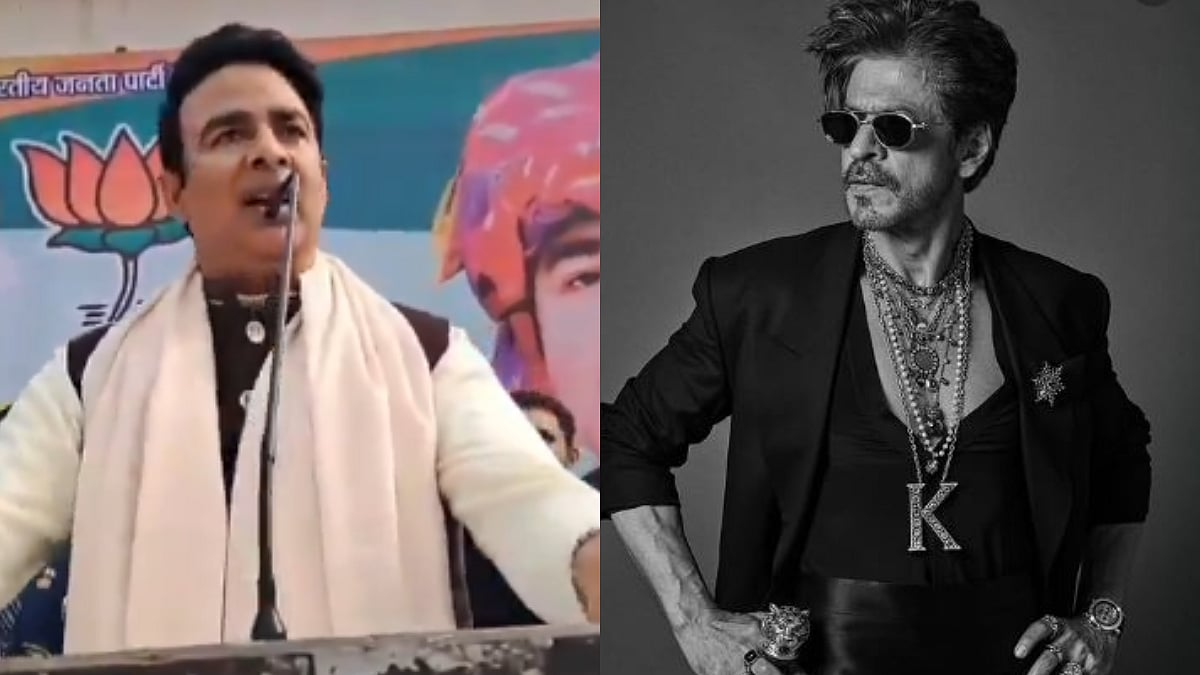
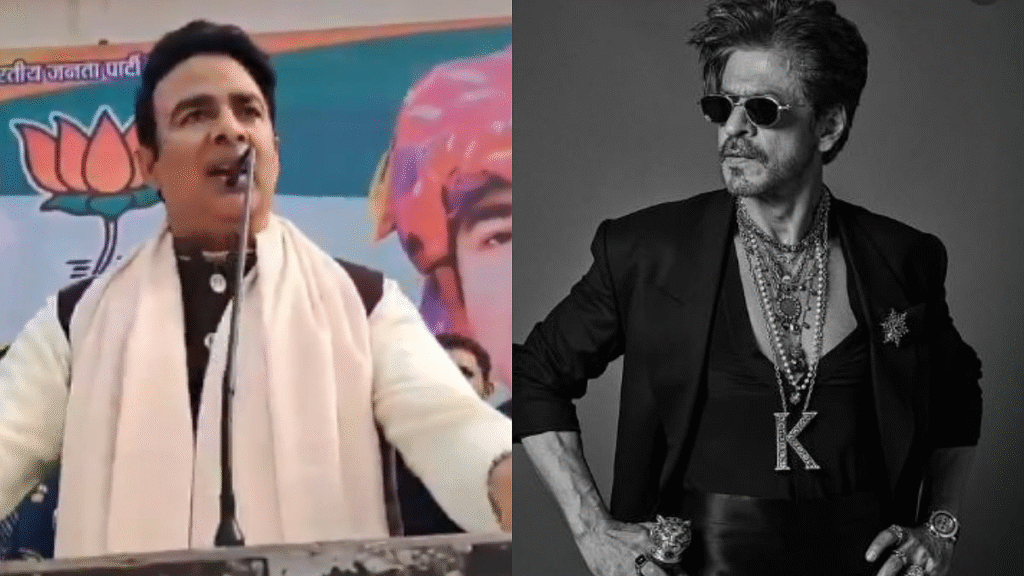
    Bharatiya Janata Party (BJP) leader Sangeet Som on Saturday made a controversial statement involving Bollywood actor Shah Rukh Khan, claiming that the actor has “understood not to go against Sanatanis.” Speaking to the media in Meerut, Som said public figures should be mindful of religious sentiments and traditions, asserting that Sanatan Dharma represents the faith and cultural values of a large section of society. His remarks came amid ongoing political and cultural debates surrounding freedom of expression, religion and public responsibility.

    The BJP leader further stated that celebrities with large public influence must exercise caution while making statements on sensitive issues, as their words can have far-reaching social impact. Som’s comments have drawn mixed reactions, with critics accusing him of targeting individuals and attempting to police personal beliefs, while supporters argued that respect for religious sentiments is essential in a diverse society. Political analysts noted that such remarks often spark wider discussions on the intersection of culture, religion and free speech, especially when they involve high-profile public figures from the film industry.

  • Youth Should Take to Streets Like in Nepal, Says SP Leader Mehrotra, Sparks Political Row

    Youth Should Take to Streets Like in Nepal, Says SP Leader Mehrotra, Sparks Political Row

    Lucknow, January 3:
    Samajwadi Party (SP) leader Manoj Mehrotra on Saturday courted controversy after urging the youth to take to the streets, drawing a comparison with recent political movements in Nepal. Addressing a gathering, Mehrotra said young people should actively raise their voices against what he described as injustice, unemployment and governance failures, asserting that youth power has historically played a decisive role in bringing political change. His remarks were seen as an attempt to mobilise young voters and energise party cadres ahead of upcoming political contests.

    The statement quickly triggered sharp reactions across political circles, with ruling party leaders accusing Mehrotra of making irresponsible remarks that could disturb public order. Opposition leaders, however, defended the comments, stating that peaceful protest and democratic mobilisation are legitimate tools in a democracy. Political analysts noted that references to mass movements in neighbouring countries often intensify political debates in India, especially when youth participation is invoked. Authorities have not issued any formal response so far, but the comments have added fuel to ongoing discussions around protest politics, democratic expression and the role of youth in shaping the nation’s political future.

  • Not Just Loot, But Sacrilege: Rajeev Chandrasekhar Demands Central Probe Into Alleged Temple Irregularities

    Not Just Loot, But Sacrilege: Rajeev Chandrasekhar Demands Central Probe Into Alleged Temple Irregularities

    New Delhi, January 3:
    Bharatiya Janata Party (BJP) leader and former Union Minister Rajeev Chandrasekhar on Saturday demanded a Central investigation into alleged irregularities involving temple administration, terming the matter as “not just loot, but sacrilege.” Addressing the media, Chandrasekhar said the allegations go beyond financial corruption and amount to a serious violation of religious faith and sanctity. He asserted that temples are sacred institutions supported by the devotion and contributions of millions, and any misuse of their funds or assets is an offence against both law and belief.

    Chandrasekhar alleged that state authorities have failed to act decisively on the issue and accused them of either negligence or deliberate inaction. He emphasised that a Central agency probe is necessary to ensure transparency, accountability and impartiality in the investigation. The BJP leader further said that protecting religious institutions and restoring devotees’ trust must be treated as a national priority, warning that those found guilty should face strict legal consequences. His statement has sparked political debate, with opposition parties dismissing the demand as politically motivated, while BJP leaders reiterated calls for a thorough and independent probe to uncover the truth.