New Delhi, November 25, 2025
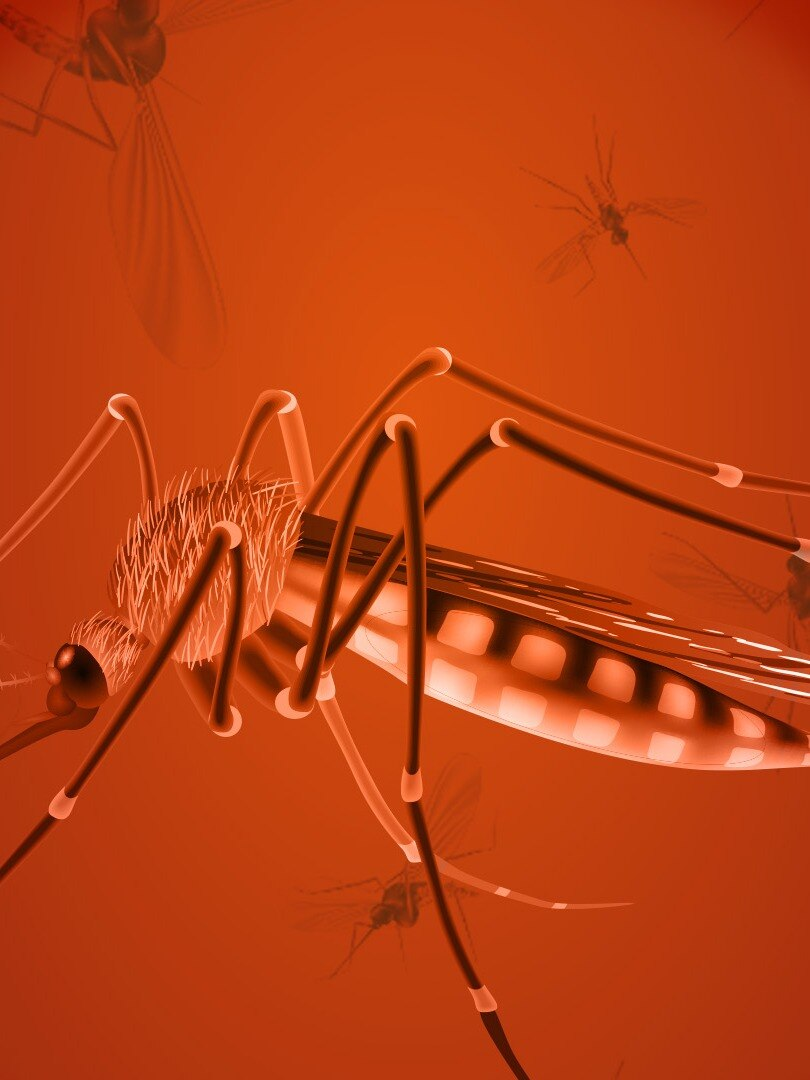
Recent trends across Delhi-NCR show that dengue and malaria cases do not disappear completely during winter, contrary to common belief. While mosquito activity generally drops as temperatures fall, urban microclimates, stagnant water inside homes, and warmer indoor temperatures allow Aedes and Anopheles mosquitoes to survive longer than expected. As a result, health officials are witnessing a slower but steady rise in post-monsoon to early-winter infections, especially in densely populated areas.
Experts warn that climate variations, construction sites, and stored water in households are creating ideal breeding pockets even in colder months. Residents are advised to use mosquito nets, clean water tanks weekly, avoid water stagnation, and use repellents during early morning and evening hours. Doctors also stress quick testing if symptoms like fever, body pain, or rashes appear, as early detection greatly reduces complications from both dengue and malaria.
Leave a Reply