Category: NATIONAL

  • Police Must Be Firm Against Crime, Compassionate Towards People: Tamil Nadu CM Stalin

    Police Must Be Firm Against Crime, Compassionate Towards People: Tamil Nadu CM Stalin

    Chennai, January 3:
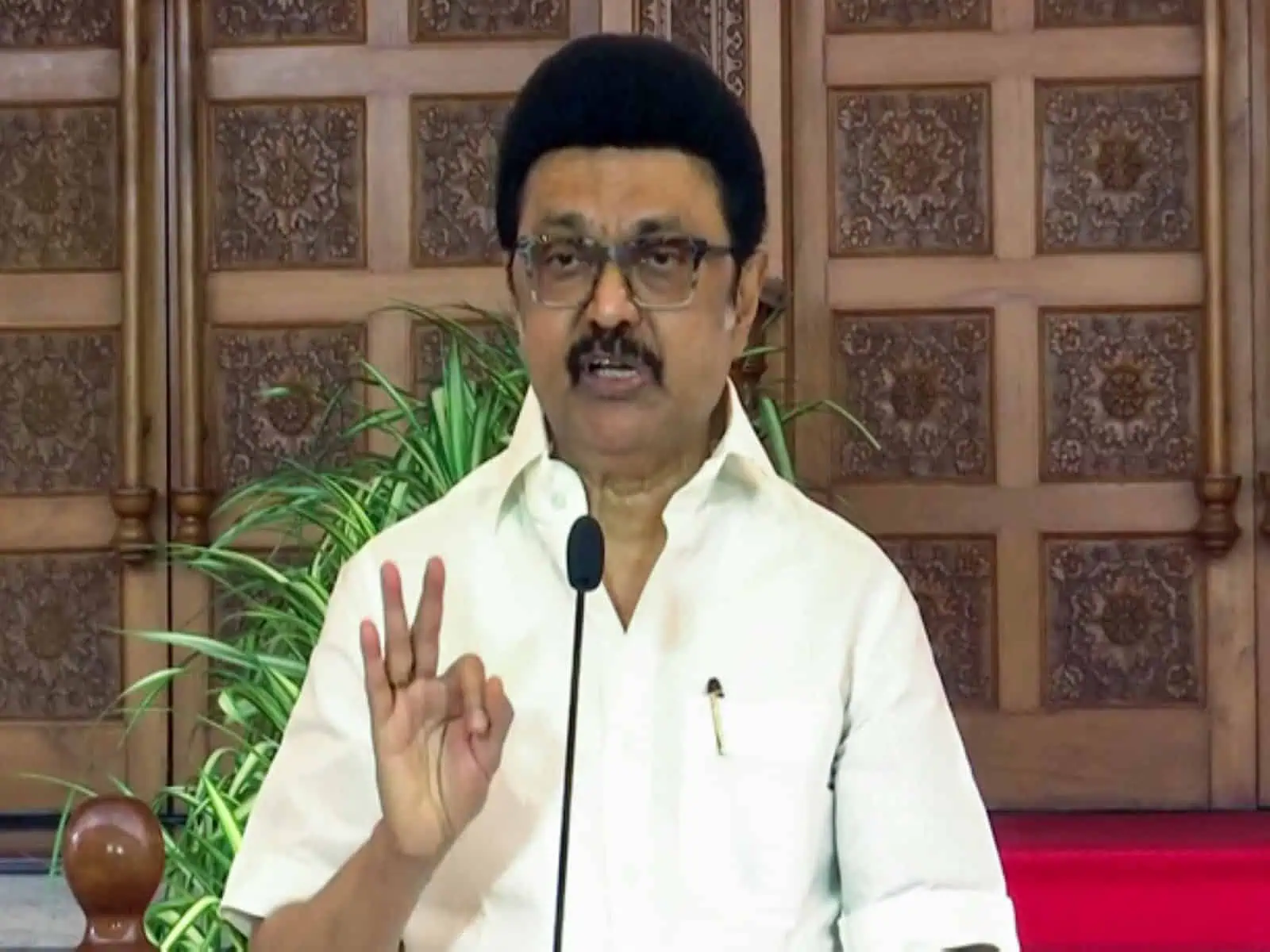
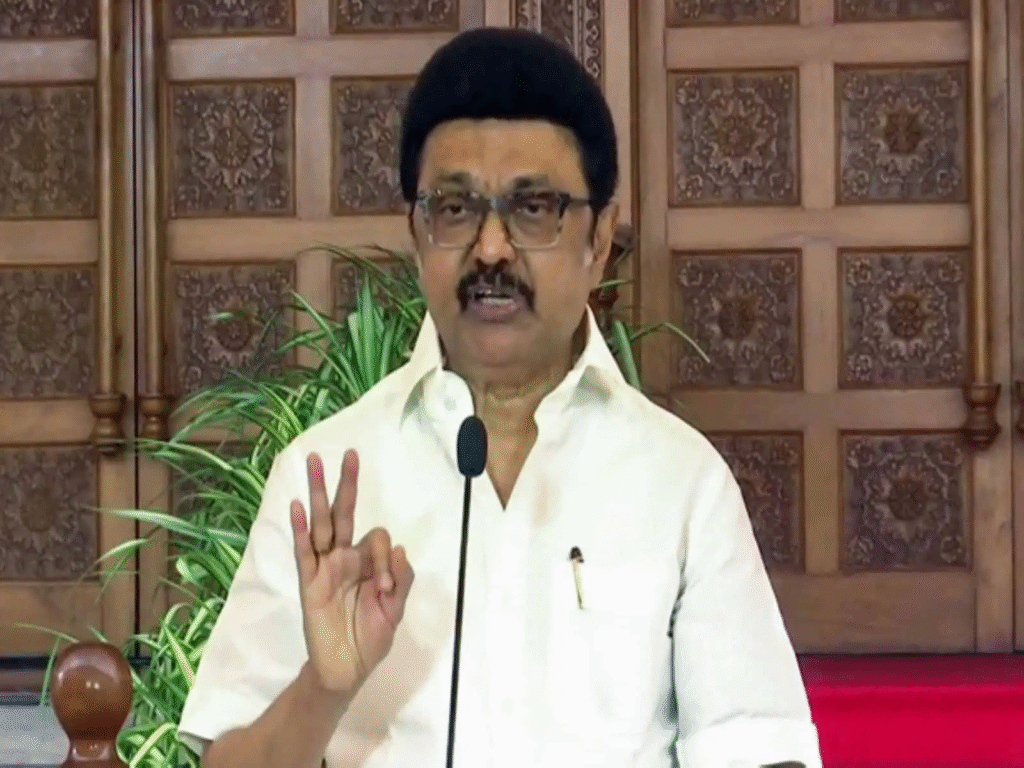
    Tamil Nadu Chief Minister MK Stalin on Friday stressed that the police force must adopt a firm approach in dealing with crime while remaining compassionate and people-friendly in its conduct. Addressing senior police officials, the Chief Minister said law enforcement should strike a balance between strict action against criminals and humane treatment of the general public. He emphasised that public trust is the backbone of effective policing and urged officers to act responsibly, transparently and without prejudice.

    Stalin further highlighted the importance of modernisation, training and accountability within the police department to meet emerging challenges. He said the government is committed to strengthening law and order while ensuring that citizens feel safe, respected and confident in approaching the police. The Chief Minister reiterated that misuse of power or insensitivity towards people would not be tolerated, adding that a compassionate police force is essential for maintaining social harmony and democratic values in the state.
  • 14 Maoists Killed In Separate Encounters In Bijapur And Sukma: Bastar IG

    14 Maoists Killed In Separate Encounters In Bijapur And Sukma: Bastar IG

    Bastar, January 3:
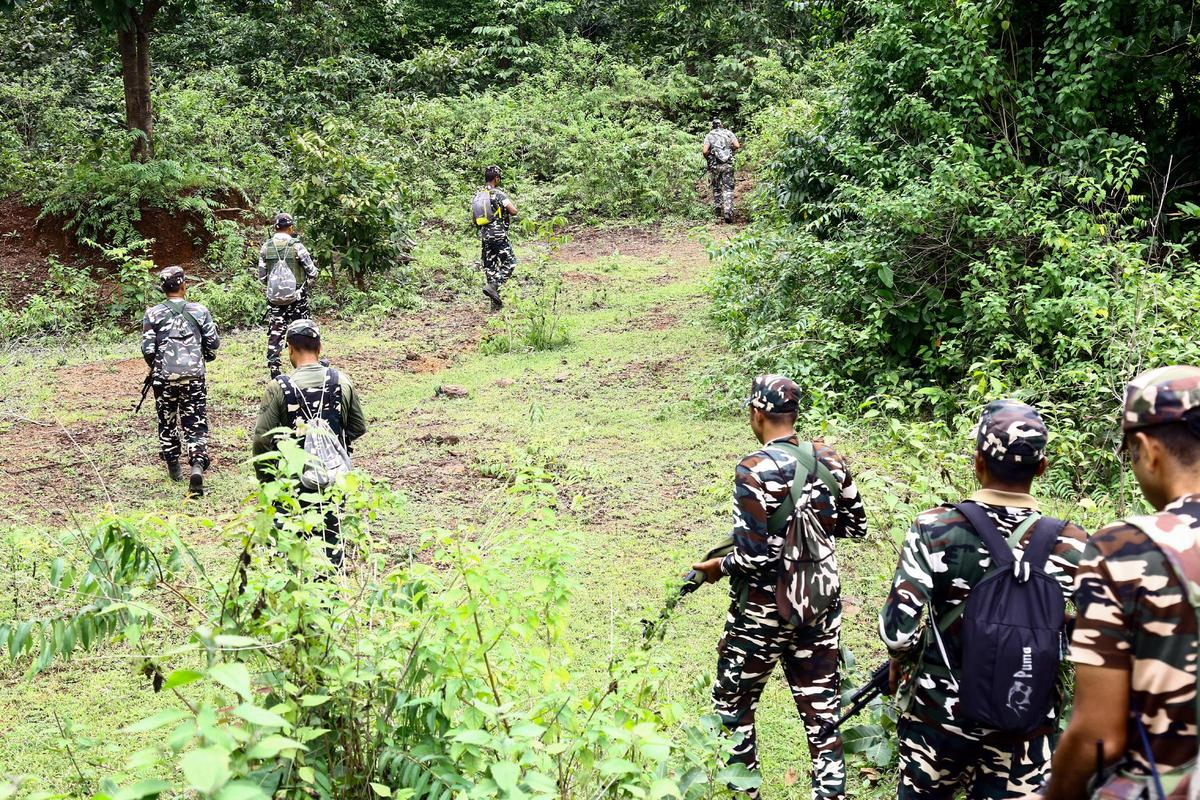
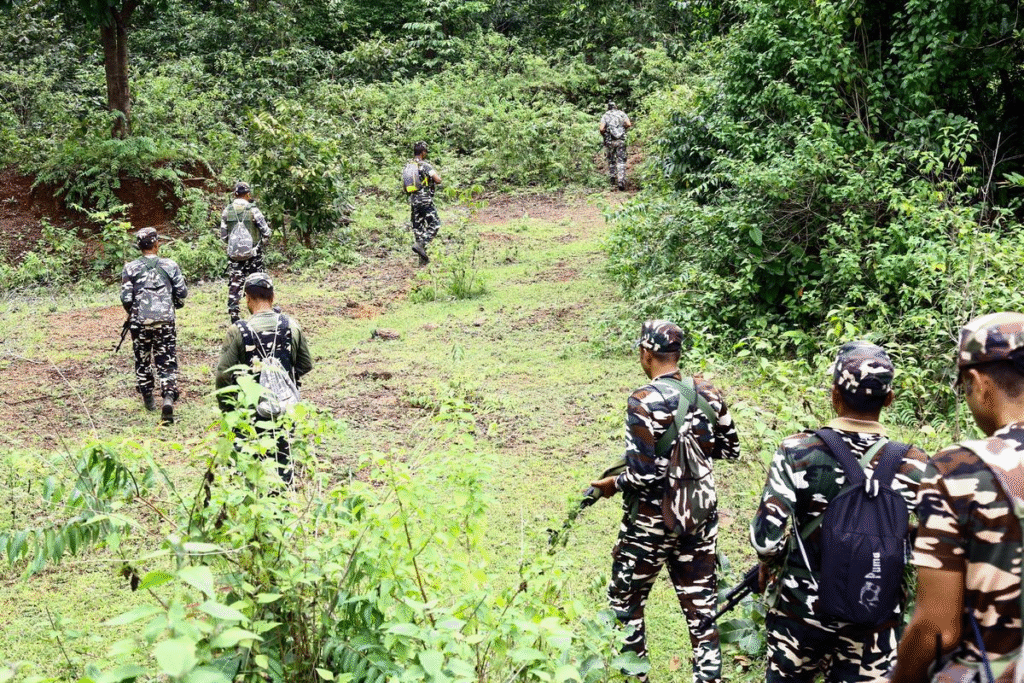
    As many as 14 Maoists were killed in two separate encounters with security forces in Chhattisgarh’s Bijapur and Sukma districts, Bastar Inspector General of Police Sundarraj P said on Friday. The encounters took place during anti-Naxal operations launched based on specific intelligence inputs about the presence of armed Maoist cadres in forest areas under the Bastar division. Security forces recovered weapons, explosives and other incriminating materials from the encounter sites.

    According to police officials, joint teams comprising District Reserve Guard (DRG), Special Task Force (STF) and Central Reserve Police Force (CRPF) units were conducting area domination and search operations when Maoists opened fire, prompting retaliatory action. The IG said sustained operations are being carried out to neutralise Left Wing Extremism and ensure lasting peace in the region. He added that security forces remain alert and committed to dismantling Maoist networks while safeguarding civilians and restoring normalcy in affected areas.

  • Amit Shah Chairs Parliamentary Consultative Committee Meeting of Ministry of Home Affairs

    Amit Shah Chairs Parliamentary Consultative Committee Meeting of Ministry of Home Affairs

    New Delhi, January 3:
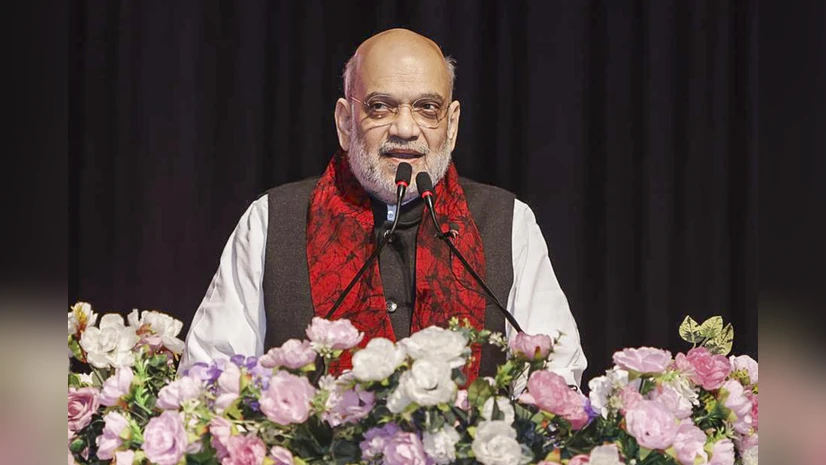
    Union Home Minister Amit Shah on Friday chaired the Parliamentary Consultative Committee meeting of the Ministry of Home Affairs (MHA), where key issues related to internal security, law and order, and administrative reforms were discussed in detail. The meeting was attended by members of Parliament from various parties, who reviewed ongoing initiatives of the Ministry, including measures to enhance border security, strengthen anti-terror operations, and improve coordination among central and state law enforcement agencies. Shah emphasised the importance of proactive policymaking, transparency, and timely implementation of security-related schemes to ensure the safety of citizens across the country.

    During the meeting, Shah highlighted efforts to modernise the police and paramilitary forces, strengthen intelligence sharing, and utilise technology for effective crime prevention. He also encouraged MPs to provide suggestions and feedback for improving the Ministry’s programmes, noting that cooperative engagement between the Parliament and executive is crucial for effective governance. Committee members discussed topics ranging from disaster management and rehabilitation of internally displaced persons to countering Left Wing Extremism and enhancing cybersecurity infrastructure. Shah concluded the meeting by reiterating the government’s commitment to maintaining internal security while upholding democratic values and ensuring that citizens’ rights and safety remain a top priority.

  • India a Protector of Buddha’s Heritage, Carrier of His Tradition, Says Union Minister

    India a Protector of Buddha’s Heritage, Carrier of His Tradition, Says Union Minister

    New Delhi, January 3:
    Union Minister on Saturday emphasised India’s historical and cultural role as a protector of Lord Buddha’s heritage and a carrier of his teachings and traditions. Speaking at a commemorative event, the minister highlighted India’s centuries-old contributions to the preservation and dissemination of Buddhist philosophy, art, and monuments. He said that the country’s commitment to promoting peace, non-violence, and cultural harmony continues to reflect the essence of Buddha’s teachings in modern times. The minister also pointed out that India remains a hub for Buddhist pilgrims from across the world, showcasing the nation’s unique position in preserving spiritual heritage while promoting global cultural diplomacy.

    The minister further stressed that government initiatives aimed at protecting Buddhist sites, promoting research on Buddhist history, and supporting international Buddhist exchanges demonstrate India’s ongoing dedication to its cultural and spiritual responsibilities. He called upon citizens and institutions to participate actively in preserving these legacies for future generations. The speech also drew attention to India’s role in propagating Buddhist values of compassion, mindfulness, and social welfare, positioning the country as a global ambassador for peace and interfaith dialogue. Observers noted that such statements reinforce India’s soft power and cultural influence, especially in countries with significant Buddhist populations, while underlining the government’s focus on heritage conservation and international engagement.

  • EC Directs West Bengal CEO to Register FIR Against Five Erring Officials

    EC Directs West Bengal CEO to Register FIR Against Five Erring Officials

    Kolkata, January 3:
    The Election Commission of India (EC) has directed the Chief Electoral Officer (CEO) of West Bengal to register an FIR against five officials found guilty of violating election-related rules and procedures. The EC’s directive follows a detailed inquiry that revealed lapses in the conduct of election duties, including mishandling of polling materials and procedural irregularities during preparatory activities. The move underscores the commission’s zero-tolerance policy toward any breach of electoral norms and its commitment to maintaining free, fair, and transparent elections in the state.

    In its order, the EC emphasised that strict action must be taken against officials who compromise the integrity of the electoral process, warning that accountability measures will be enforced irrespective of rank or position. The commission also called on the state administration to cooperate fully with law enforcement agencies to ensure a swift and impartial investigation. Political observers noted that this development comes at a time when electoral vigilance is under intense scrutiny, and any deviation from prescribed protocols can have far-reaching implications for public confidence in the democratic process. The EC’s directive reflects its proactive approach in curbing malpractices and safeguarding the credibility of elections in West Bengal.

  • PM Modi Inaugurates Grand Exhibition of Sacred Piprahwa Relics in Delhi

    PM Modi Inaugurates Grand Exhibition of Sacred Piprahwa Relics in Delhi

    New Delhi, January 3:
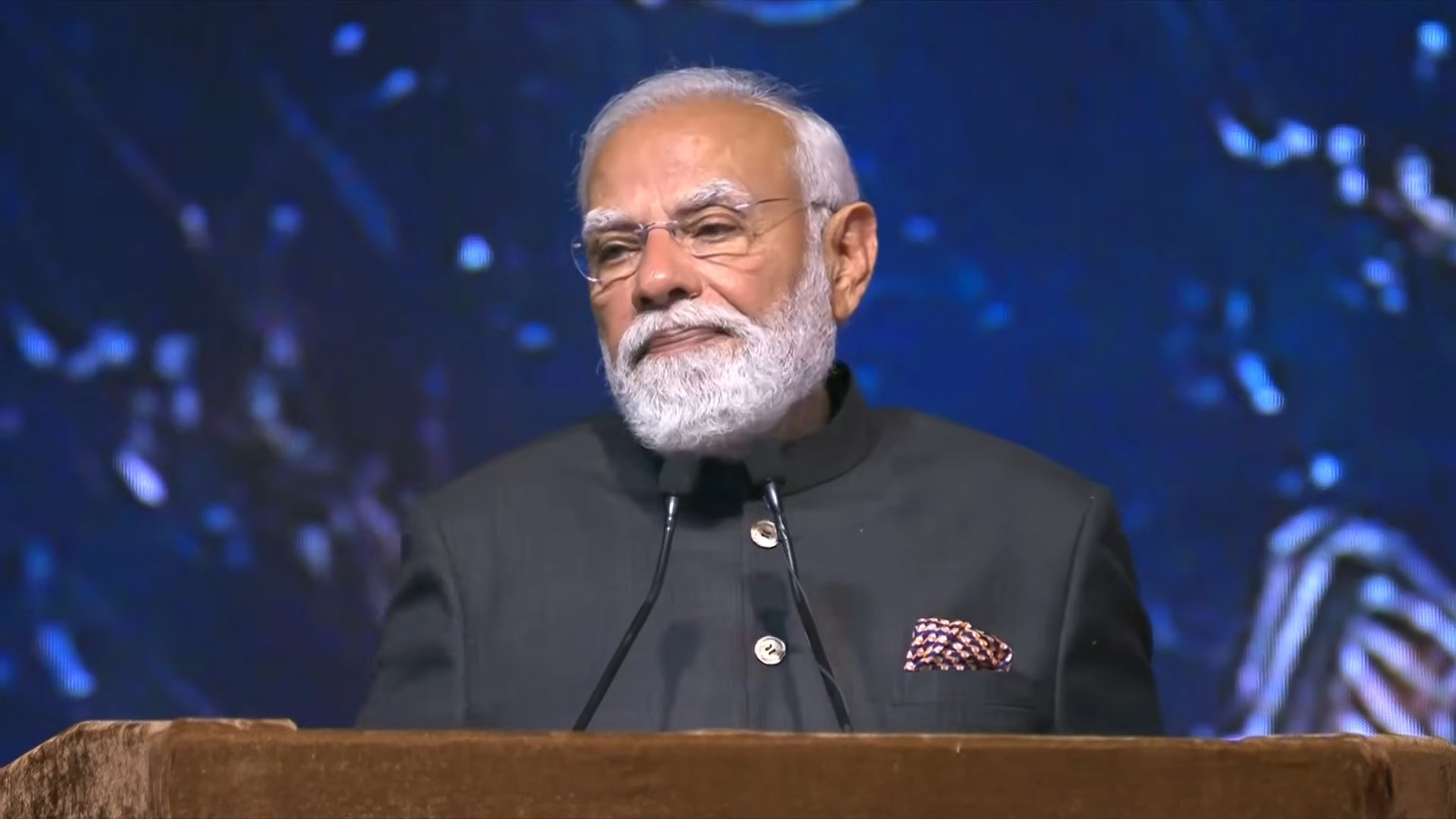
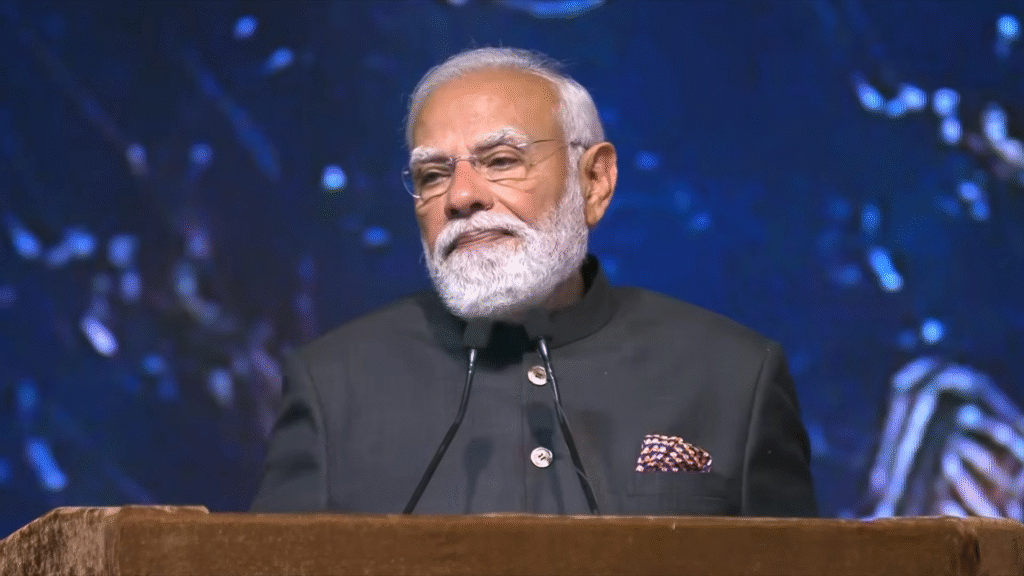
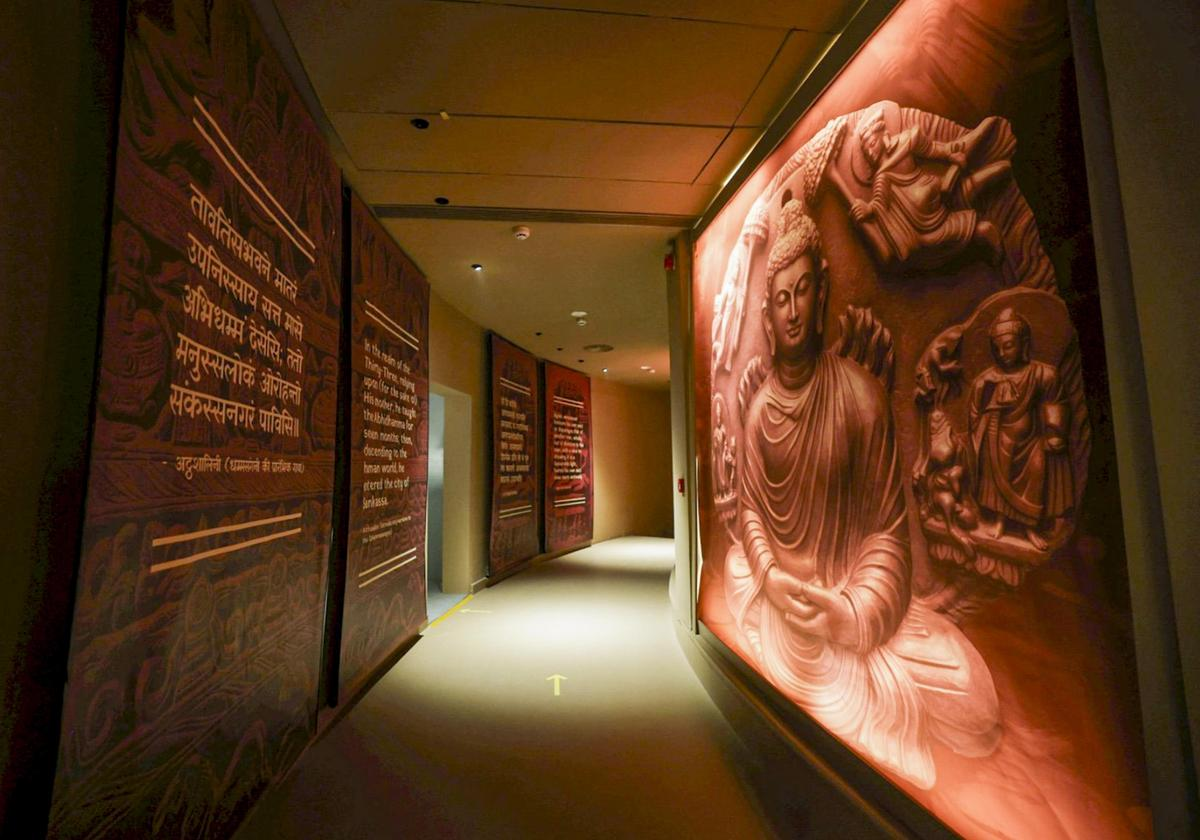
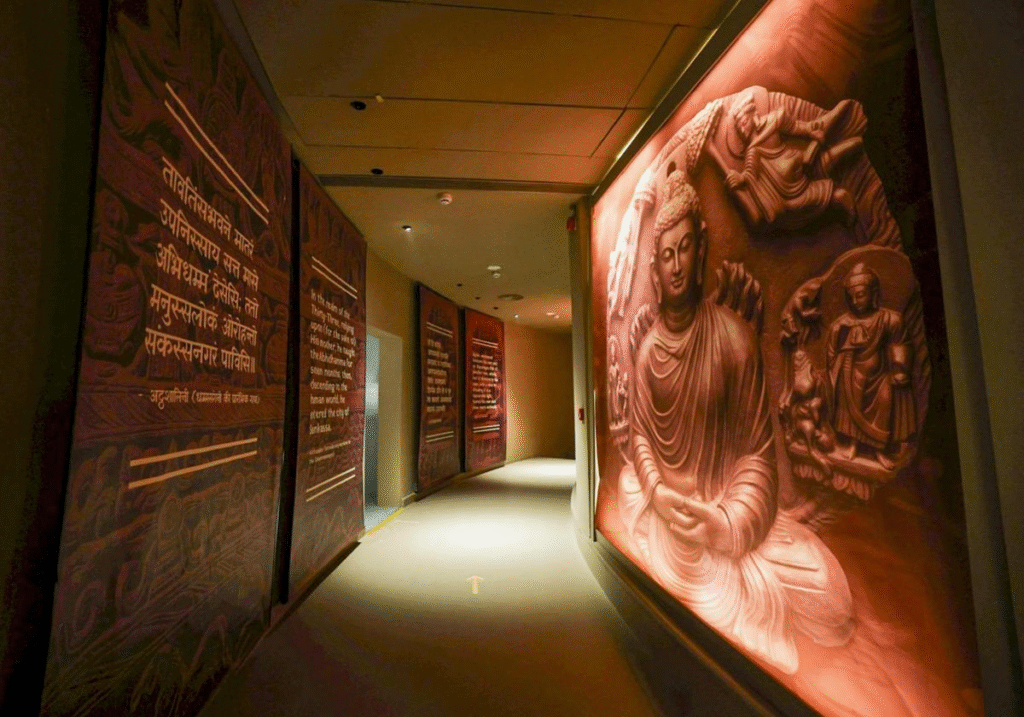
    Prime Minister Narendra Modi on Saturday inaugurated a grand exhibition showcasing the sacred Piprahwa relics, drawing attention to India’s rich Buddhist heritage and historical significance. The exhibition, held in Delhi, features ancient artifacts, inscriptions, and relics discovered at Piprahwa, which are believed to be associated with Lord Buddha. Speaking at the event, PM Modi emphasised India’s role as the custodian of Buddhist culture and its contribution to preserving global spiritual heritage. He highlighted that such exhibitions not only educate the public about India’s past but also strengthen cultural diplomacy and promote tourism.

    The Prime Minister urged citizens, especially the youth, to engage with India’s historical and spiritual legacy and learn from the teachings of Lord Buddha on peace, non-violence, and compassion. The exhibition includes interactive displays, rare manuscripts, and detailed explanations of the archaeological significance of the Piprahwa site, providing visitors with an immersive experience. Officials noted that the event also aims to foster international interest in India’s Buddhist sites and encourage scholarly research. Observers said the inauguration underscores the government’s commitment to preserving and promoting India’s cultural and religious heritage while reinforcing the country’s position as a global hub for historical and spiritual tourism.

  • Rajasthan CM Bhajanlal Sharma to Inaugurate BJP Workshop at Constituency Level

    Rajasthan CM Bhajanlal Sharma to Inaugurate BJP Workshop at Constituency Level

    Jaipur, January 3:
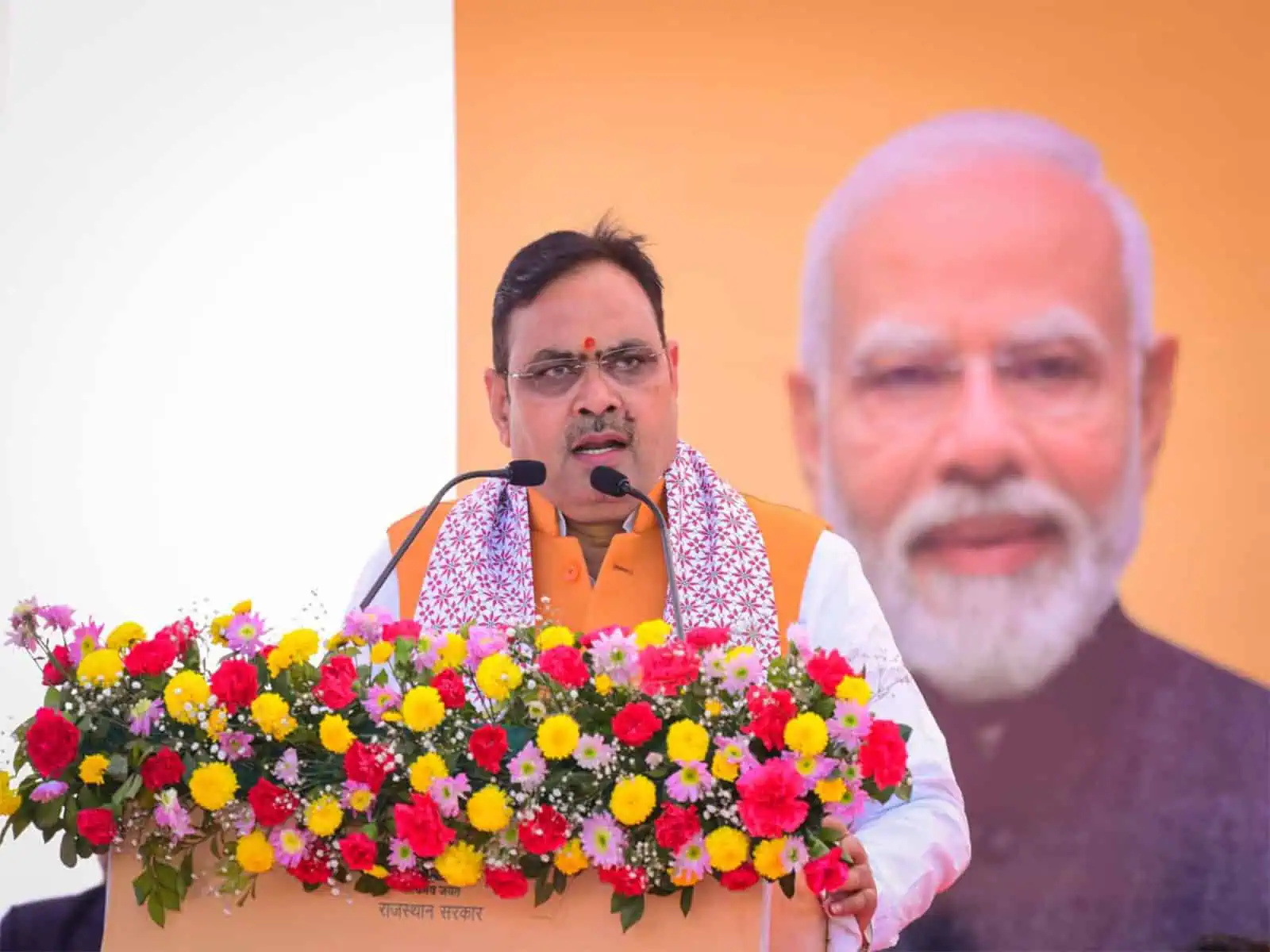
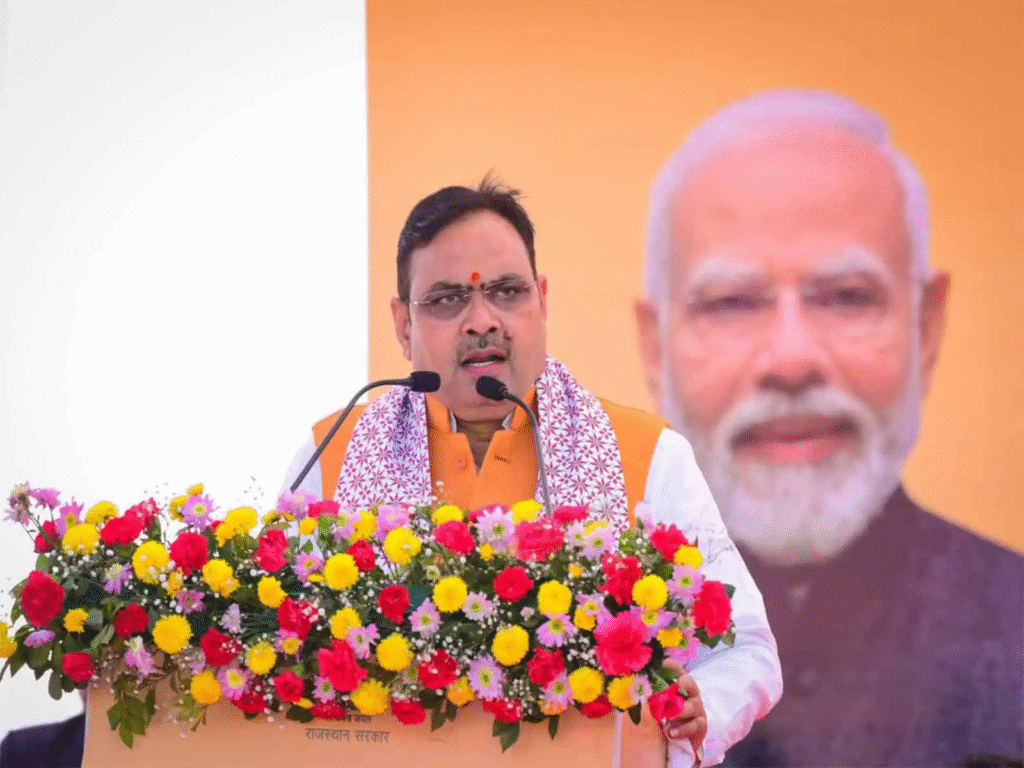
    Rajasthan Chief Minister Bhajanlal Sharma is scheduled to inaugurate a Bharatiya Janata Party (BJP) workshop at the constituency level on Saturday, aimed at strengthening party organisation and mobilising grassroots workers ahead of upcoming elections. The workshop will focus on training party workers, reviewing electoral strategies, and improving outreach to voters across the state. Speaking ahead of the event, CM Sharma emphasised the importance of engaging with citizens at the local level and building a robust party framework to ensure effective communication of development initiatives and government schemes.

    The workshop is expected to cover topics such as voter awareness campaigns, digital outreach, volunteer management, and constituency-level planning. Party leaders noted that such workshops are crucial for consolidating support, addressing local concerns, and preparing the cadre for future political challenges. In addition to the Chief Minister, senior BJP leaders from the state and central leadership are likely to attend and interact with local workers to motivate them for effective campaigning. Analysts say the event reflects the party’s focus on grassroots mobilisation and the strategic importance of nurturing party infrastructure to maintain its electoral edge in Rajasthan.

  • SP Leader Mehrotra Urges Youth to Take to Streets, Cites Nepal as Example

    SP Leader Mehrotra Urges Youth to Take to Streets, Cites Nepal as Example

    Lucknow, January 3:
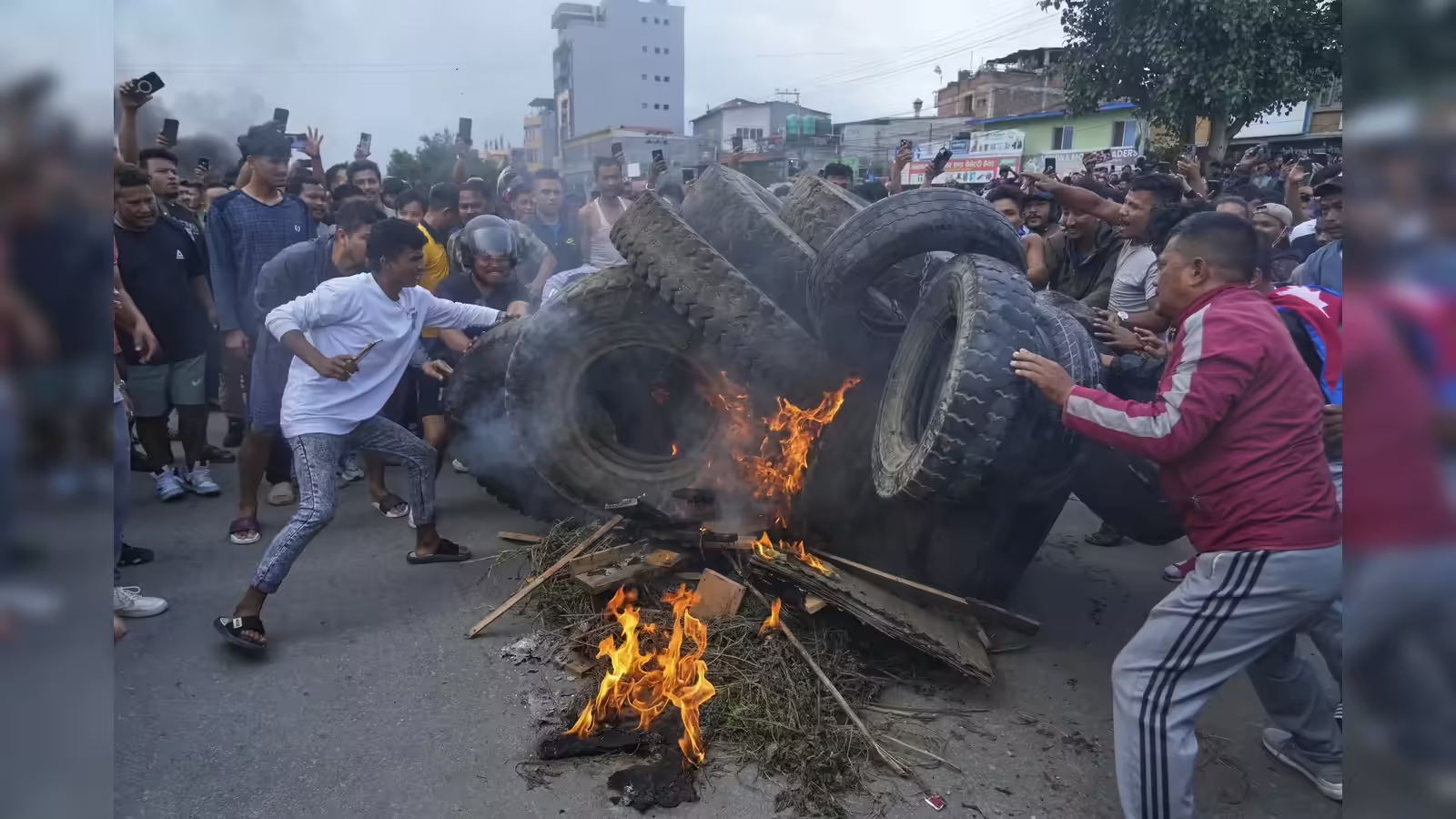
    Samajwadi Party (SP) leader Manoj Mehrotra has sparked controversy by urging young people to mobilise on the streets, drawing a comparison to the youth-led movements in Nepal that led to significant political changes. Speaking at a public gathering, Mehrotra highlighted the power of youth activism in shaping political outcomes and emphasised that active participation is essential for holding governments accountable and addressing societal issues. His remarks came amid growing political mobilisation in Uttar Pradesh, where opposition parties are seeking to energise their base ahead of upcoming elections.

    Political analysts noted that Mehrotra’s statement could be interpreted in multiple ways, ranging from an encouragement of civic engagement to a call for more assertive political activism. Opposition leaders welcomed the emphasis on youth involvement, while critics warned that such statements must be carefully phrased to avoid inciting unrest or law and order challenges. The statement has already sparked debates across social media and political forums, highlighting the delicate balance between promoting democratic participation and maintaining public order. Authorities have not issued an official response, but political observers suggest that Mehrotra’s comments are likely to be scrutinised in the context of electoral strategies and ongoing political narratives in the state.

  • Man Arrested for Circulating Fake Videos of PM Modi and President

    Man Arrested for Circulating Fake Videos of PM Modi and President

    New Delhi, January 3:
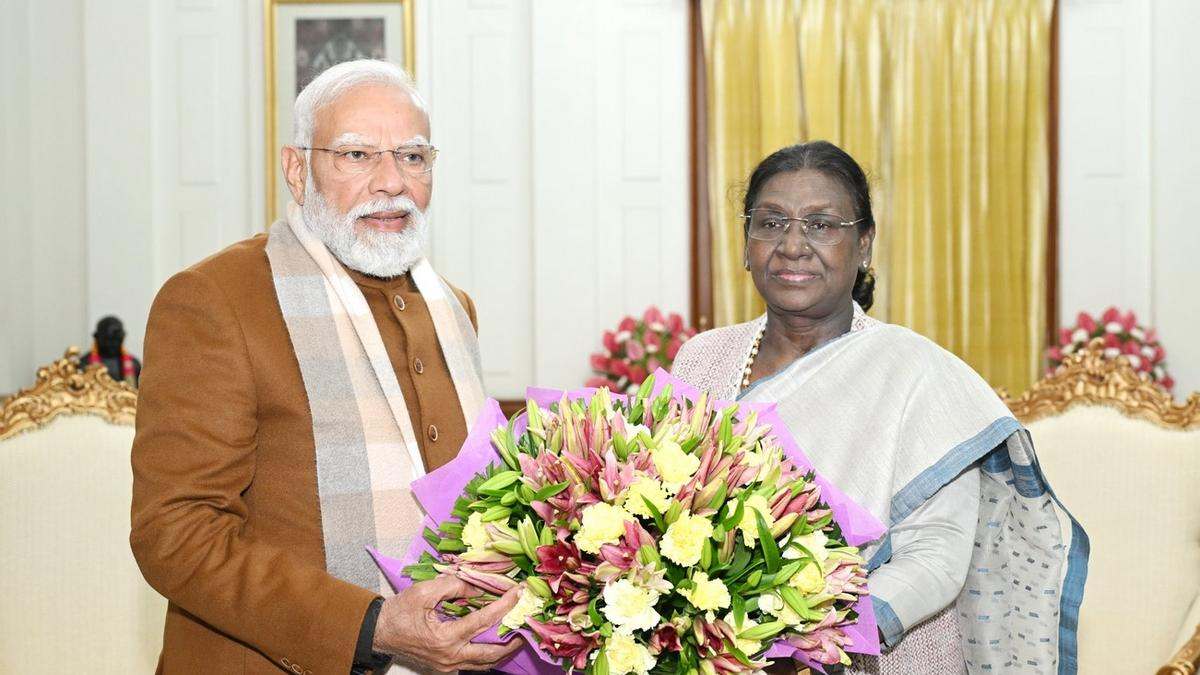
    A man has been arrested by Delhi police for allegedly circulating fabricated and misleading videos featuring Prime Minister Narendra Modi and President Droupadi Murmu on social media platforms. According to officials, the videos were digitally manipulated to create false impressions and were being widely shared, raising concerns over misinformation and potential public unrest. Police said the accused, identified as a resident of the national capital, had uploaded and forwarded the videos on multiple social media accounts, prompting a swift investigation after complaints were lodged regarding the misleading content.

    Authorities stated that the arrest highlights the government’s zero-tolerance policy towards misinformation targeting high-profile political leaders. The police further clarified that the suspect will be interrogated and legal proceedings initiated under relevant sections of the Information Technology Act and the Indian Penal Code, which deal with digital fraud, circulation of fake content, and incitement of public disorder. Cybercrime experts noted that such incidents underscore the increasing challenges posed by deepfake technology and the need for stricter monitoring and awareness campaigns to prevent the spread of false narratives. Officials urged the public to verify content before sharing and warned that legal action will be taken against individuals responsible for spreading fake information about national leaders.

  • How India’s Richest Civic Body BMC Earns And What It Spends On

    How India’s Richest Civic Body BMC Earns And What It Spends On

    Mumbai, January 3:
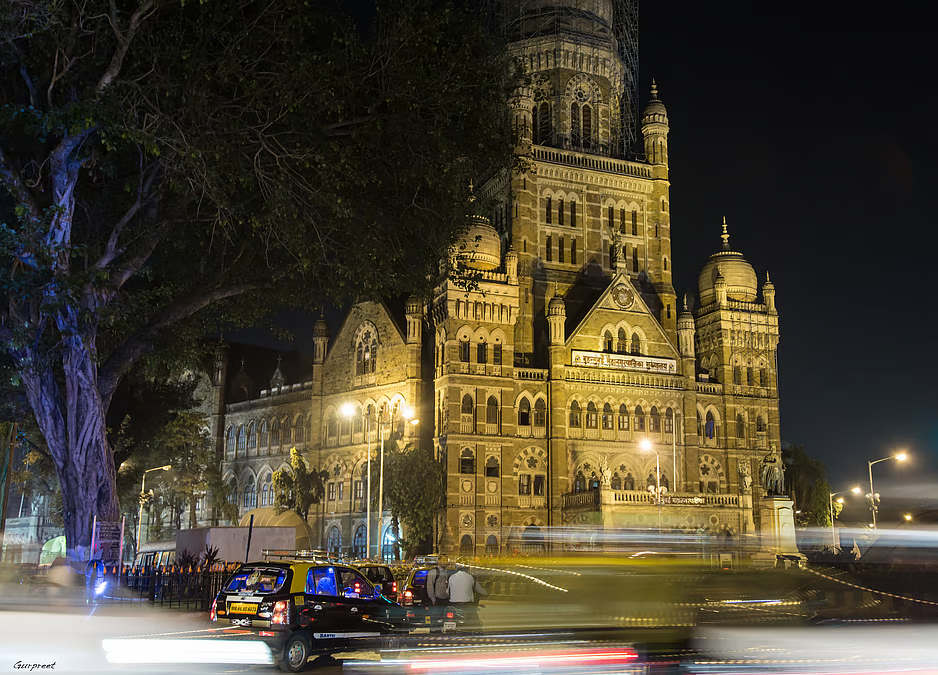
    The Brihanmumbai Municipal Corporation (BMC), recognised as India’s richest civic body, draws its revenue from a diverse mix of taxes, user charges and non-tax sources that together enable it to fund extensive public services and infrastructure projects. Major streams of income for the BMC include property tax — its largest single revenue source — which is collected from millions of residential and commercial properties across Mumbai. In addition, the civic body levies profession tax, advertisement tax, vehicle entry fees in designated zones and entertainment tax, alongside receiving significant grants and shared tax revenues from the Maharashtra government and the Centre.

    Non-tax revenues also play a crucial role in bolstering the BMC’s coffers, including fees from water supply, building plan approvals, parking charges, rental income from municipal properties and dividends from civic commercial ventures. The BMC has increasingly relied on better digital tracking and compliance measures to improve collection efficiency, leading to improved fiscal health in recent years. Officials said this diversified revenue base is pivotal to financing the corporation’s ambitious annual budget, which runs into tens of thousands of crores of rupees.

    In terms of expenditure, the BMC allocates a substantial portion of its budget to essential services such as solid waste management, road maintenance, public health and sanitation, stormwater drain programmes, water supply infrastructure and civic amenities like street lighting and public parks. Major capital outlays include investments in coastal road projects, metro rail support infrastructure, flood mitigation systems, slum rehabilitation and redevelopment schemes. A significant share is also devoted to employee salaries, pensions, and social welfare programmes, including public health drives and disaster preparedness initiatives.