Category: NATIONAL

  • New Houseboat Tourism Experience Launched on Krishna River in Vijayawada

    New Houseboat Tourism Experience Launched on Krishna River in Vijayawada

    Vijayawada, January 8:
    Andhra Pradesh Tourism Development Corporation (APTDC) has launched a new houseboat tourism experience on the Krishna River in Vijayawada, marking a significant expansion of river-based tourism in the state. The initiative aims to offer visitors a unique leisure experience by combining scenic river views with modern hospitality facilities. Officials said the project has been introduced under a public-private partnership model and includes well-equipped houseboats and floating dining facilities operating along select stretches of the Krishna River, particularly near iconic landmarks such as Prakasam Barrage and Pavitra Sangam.

    Tourism officials stated that the new service is designed to boost local tourism, generate employment, and attract visitors during major festivals and holiday seasons. The houseboats are expected to operate on scheduled slots, offering sunrise and sunset cruises along with overnight stay options. Authorities believe the initiative will strengthen Vijayawada’s position as a key tourism hub in Andhra Pradesh while promoting sustainable tourism practices. Plans are also underway to expand the project in phases by introducing additional boats and enhanced luxury features based on public response.
  • Andhra Pradesh Prepares for Grand Republic Day Celebrations in Amaravati With Elaborate Arrangements

    Andhra Pradesh Prepares for Grand Republic Day Celebrations in Amaravati With Elaborate Arrangements

    Amaravati, January 8:
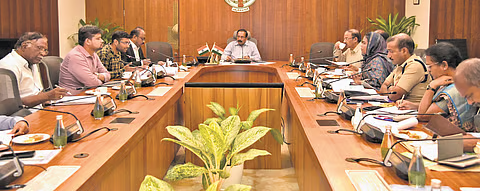
    Andhra Pradesh is gearing up for its first large-scale Republic Day celebrations in Amaravati, with senior officials reviewing extensive preparations to mark the occasion in a grand and dignified manner. Chief Secretary K. Vijayanand directed departments to coordinate closely to ensure seamless arrangements covering sanitation, drinking water, traffic regulation, security deployment, and emergency medical services. Special attention is being given to parade logistics, ceremonial arrangements, and public seating, as the event is expected to witness significant participation from officials, guests, and citizens.

    Authorities have also instructed various departments to design thematic tableaux highlighting key welfare initiatives, development programmes, and cultural heritage of the state. Government buildings, including the State Secretariat and Assembly complex, are being illuminated and decorated to enhance the visual appeal of the celebrations. Officials said the event aims to showcase Andhra Pradesh’s administrative vision, cultural identity, and development aspirations, while ensuring public safety and smooth conduct, reflecting the state’s renewed focus on establishing Amaravati as its administrative and ceremonial capital.

  • CM Naidu Seeks Statutory Status For Amaravati, Appeals to Centre for Funding Flexibility

    CM Naidu Seeks Statutory Status For Amaravati, Appeals to Centre for Funding Flexibility

    New Delhi / Vijayawada, January 8:
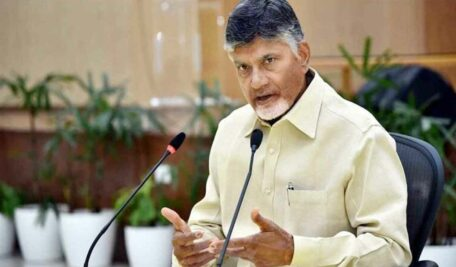
    Andhra Pradesh Chief Minister N. Chandrababu Naidu on Thursday met Union Home Minister Amit Shah in New Delhi and urged the Centre to grant statutory status to Amaravati by introducing a bill in Parliament, describing the move as crucial for the long-term growth and stability of the state’s capital region. Naidu underlined that formal parliamentary recognition would reinforce investor confidence, provide policy certainty and accelerate infrastructure and development projects in Amaravati. He also pressed for flexibility in Centre-State funding ratios and additional financial support to ease the fiscal burden on Andhra Pradesh, underscoring concerns related to implementation of the new VB-G-RAM-G scheme and its financial implications for the state. The discussions also covered ongoing welfare programmes and key development priorities to bolster sustainable growth.

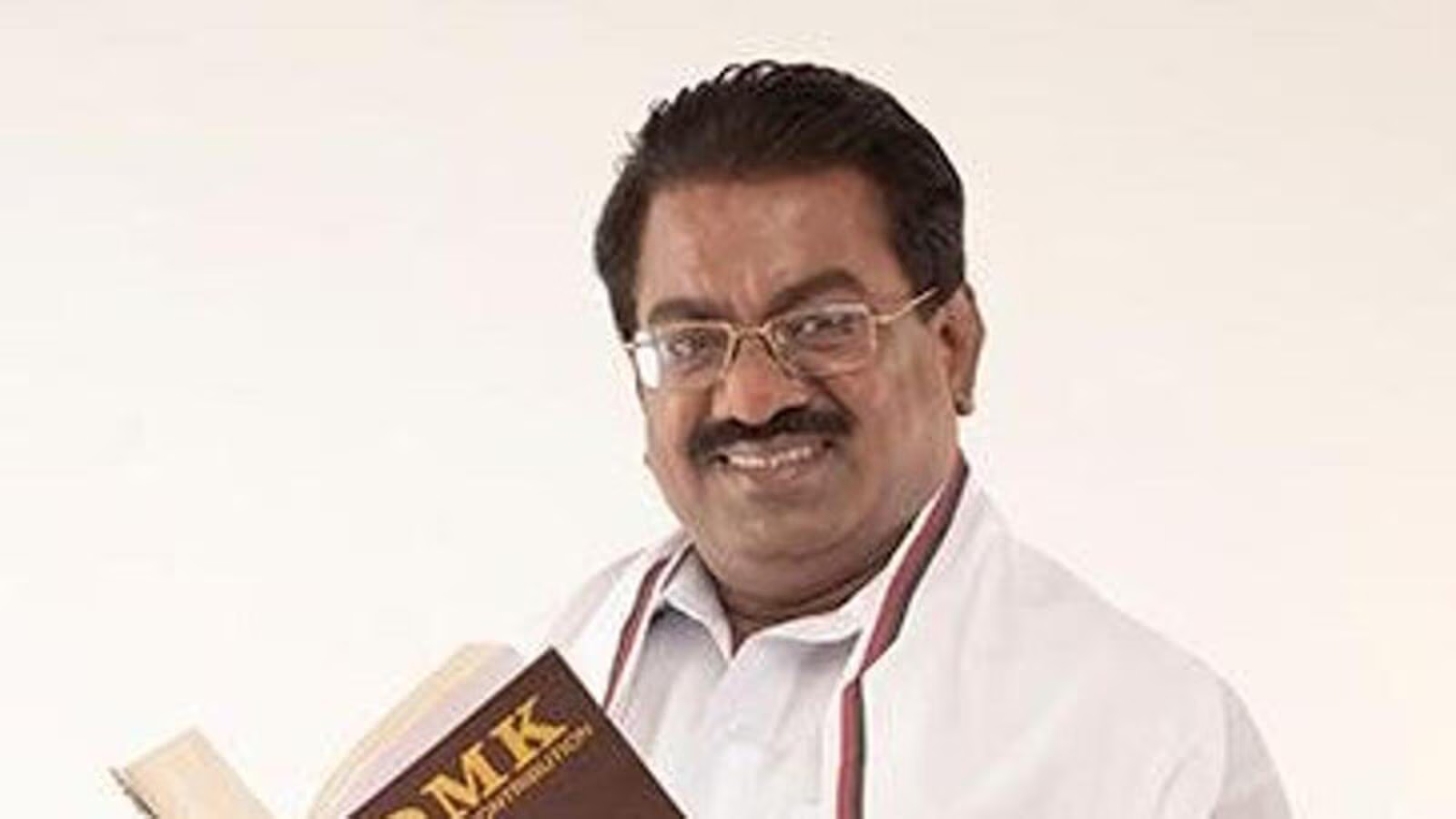
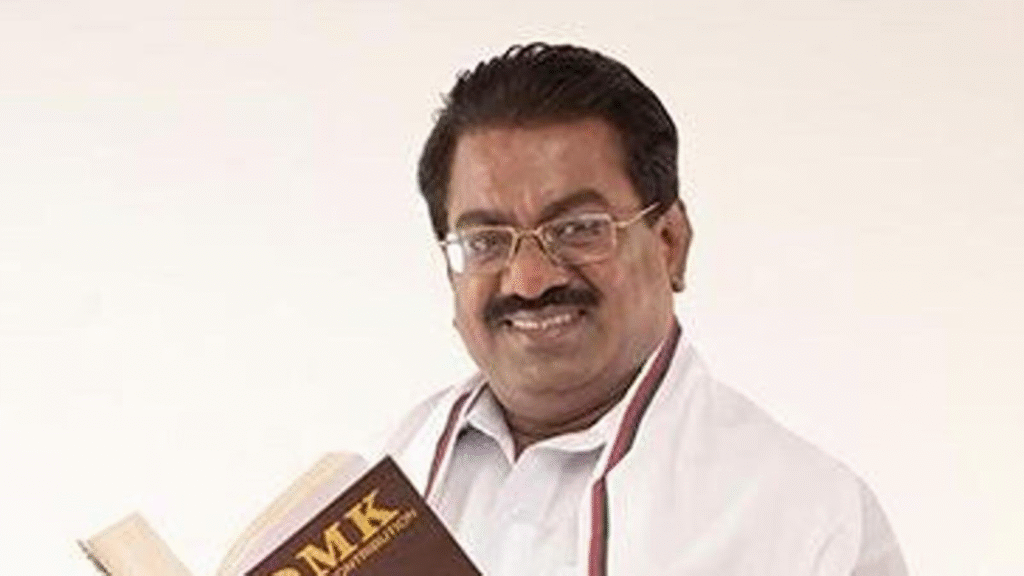
  • PMK Joined BJP as It Had No Other Option, Says DMK’s TKS Elangovan

    PMK Joined BJP as It Had No Other Option, Says DMK’s TKS Elangovan

    Chennai, January 7:
    DMK leader TKS Elangovan on Wednesday commented on the recent political alignment of the Pattali Makkal Katchi (PMK) with the Bharatiya Janata Party (BJP), stating that the PMK joined the alliance because it “had no other option.” Speaking to the media, Elangovan suggested that the move reflects strategic necessity rather than ideological alignment, implying that the PMK’s decision was driven by political survival and electoral considerations. He also criticised the BJP for attempting to expand its influence in Tamil Nadu through opportunistic alliances, asserting that the party’s outreach lacks a strong grassroots base in the state.

    Elangovan’s remarks have sparked debate in political circles, with analysts noting that Tamil Nadu’s dynamic political landscape often leads regional parties to form alliances based on expediency rather than ideological commitment. He further emphasised that voters are discerning and capable of recognising alliances formed out of compulsion rather than genuine intent to serve public interest. Observers said the comments are part of a broader narrative by the DMK to position itself as the party most aligned with local interests, contrasting with national parties and their recent coalition strategies. The statement also sets the tone for the upcoming elections, where alliances and seat-sharing arrangements are expected to play a decisive role in shaping voter sentiment across the state.

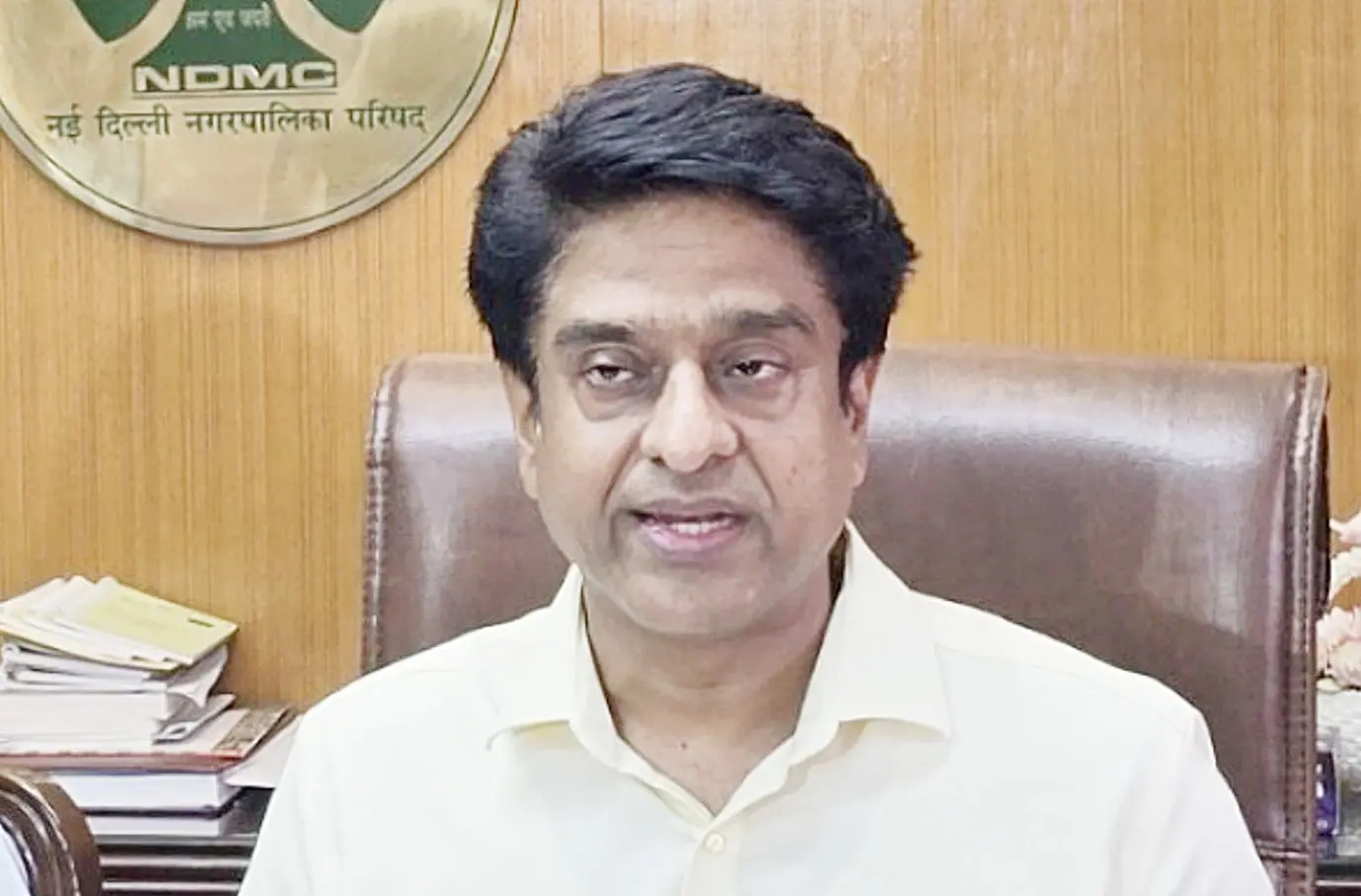
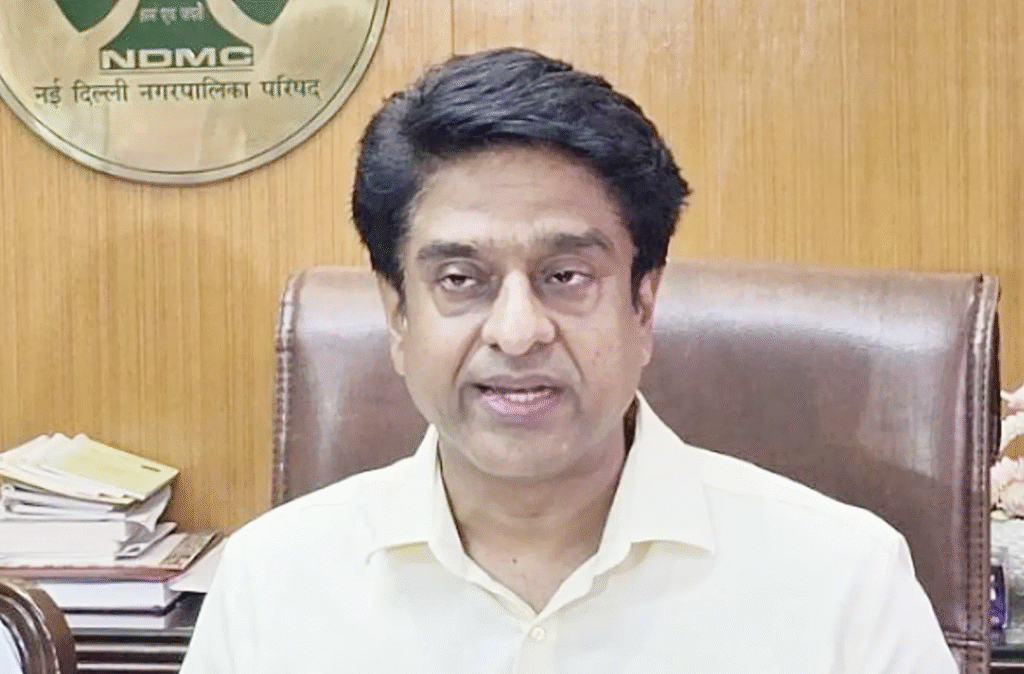
  • NDMC Vice Chairperson Chahal Calls 2026-27 Budget Comprehensive

    NDMC Vice Chairperson Chahal Calls 2026-27 Budget Comprehensive

    New Delhi, January 7:
    New Delhi Municipal Council (NDMC) Vice Chairperson Chahal on Wednesday described the Union Budget for 2026-27 as “comprehensive and forward-looking,” highlighting its focus on infrastructure development, social welfare, and fiscal prudence. Chahal noted that the budget addresses key urban challenges, including public health, sanitation, and sustainable development, while also promoting technological innovation and digital governance. According to him, the proposals reflect a balanced approach to revenue generation and expenditure, aiming to benefit both citizens and businesses across the capital.

    Chahal further emphasised that the budget’s allocation for urban projects and municipal services will enhance the quality of life in New Delhi, enabling better roads, improved water supply, efficient waste management, and modern civic amenities. He praised the government for considering the long-term implications of policy measures, particularly those supporting education, health, and environmental sustainability. Analysts suggest that the endorsement from NDMC leadership underscores the importance of collaborative efforts between central authorities and local governance bodies in implementing the budget effectively. The Vice Chairperson called upon municipal departments and stakeholders to leverage these provisions to maximise developmental outcomes and ensure that citizens reap tangible benefits from the 2026-27 financial plan.

  • From Code to Cobots: IIT Delhi Launches Third Cohort of Executive Program

    From Code to Cobots: IIT Delhi Launches Third Cohort of Executive Program

    New Delhi, January 7:
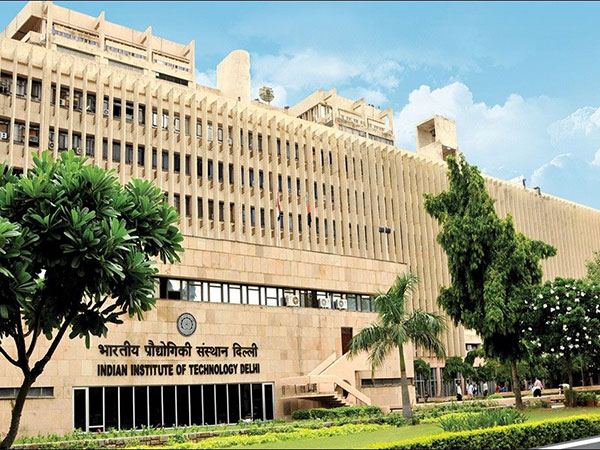
    IIT Delhi has launched the third cohort of its Executive Program aimed at professionals seeking advanced knowledge in robotics, artificial intelligence, and automation. The program, titled “From Code to Cobots,” is designed to equip participants with practical skills and theoretical insights to drive innovation in industrial and research applications. According to institute officials, the initiative reflects IIT Delhi’s commitment to fostering a future-ready workforce capable of addressing challenges in the rapidly evolving fields of robotics and AI.

    The executive program includes hands-on training, workshops, and collaborative projects, allowing participants to work with cutting-edge technologies such as collaborative robots (cobots), machine learning models, and advanced programming tools. IIT Delhi highlighted that the curriculum bridges the gap between academic learning and industry requirements, enabling professionals to implement automation solutions in manufacturing, healthcare, and other sectors. Industry experts noted that such programs are critical in preparing India’s workforce for the next wave of technological transformation, promoting innovation, productivity, and competitiveness on a global scale. The institute encouraged working professionals, researchers, and technology enthusiasts to enrol and benefit from the unique combination of practical exposure and expert-led instruction offered through this program.

  • Intolerable and Insensitive Step: RJD MP Manoj Jha Questions Delhi Administration

    Intolerable and Insensitive Step: RJD MP Manoj Jha Questions Delhi Administration

    New Delhi, January 7:
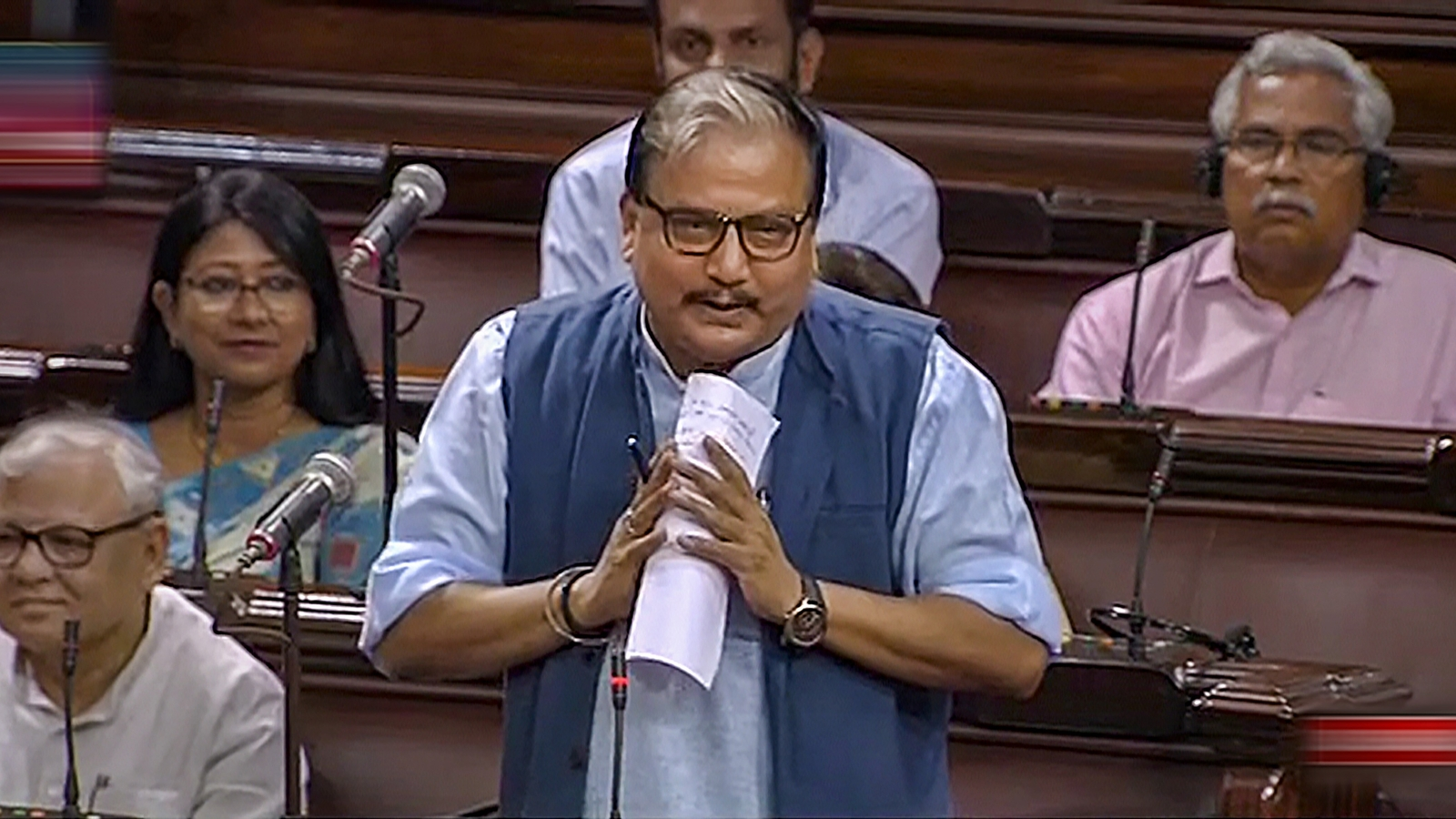
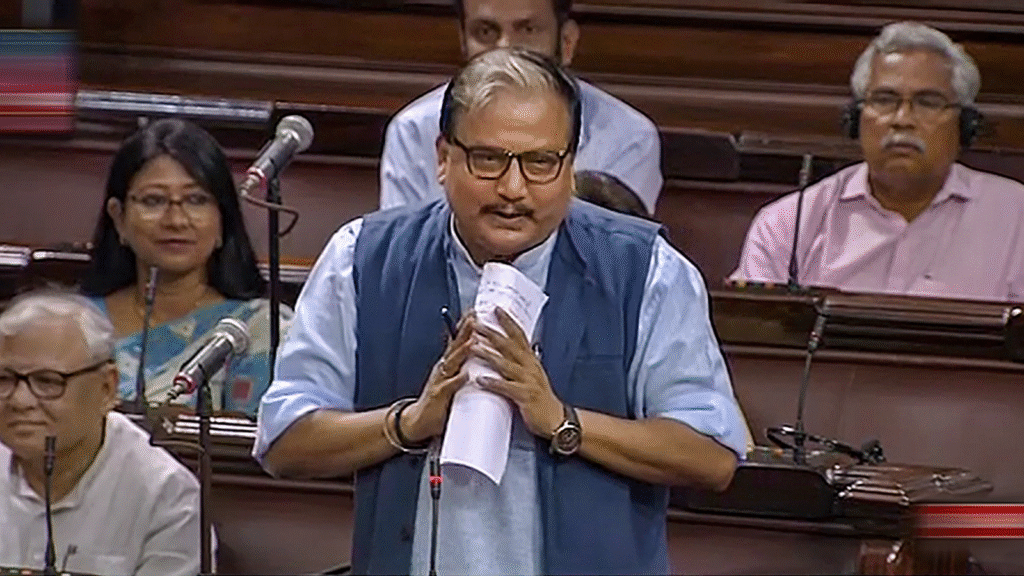
    RJD Member of Parliament Manoj Jha on Wednesday criticised the Delhi administration, describing a recent action by municipal authorities as “intolerable and insensitive.” Jha expressed concern over the handling of the matter, stating that the step in question had caused distress among affected residents and could escalate tensions in the area. He urged the administration to reconsider its approach and engage with local communities to ensure that decisions are implemented in a fair and transparent manner. Jha also highlighted the need for balancing law enforcement with empathy and sensitivity, particularly in matters affecting vulnerable groups and community spaces.

    Speaking further, Jha called for immediate dialogue between municipal authorities and residents to address grievances and prevent further unrest. Observers noted that his remarks underscore broader concerns about governance, accountability, and citizen participation in Delhi’s urban management. Political analysts suggested that the criticism reflects rising attention to civic administration and the potential for such incidents to become focal points in public discourse. The MP emphasised that administrative decisions must prioritise both legal compliance and social sensitivity, warning that failure to do so could undermine public trust and create avoidable friction between authorities and the community.

  • Delhi HC Treats Fire Safety PIL as Representation, Directs Authorities to Take Action

    Delhi HC Treats Fire Safety PIL as Representation, Directs Authorities to Take Action

    New Delhi, January 7:
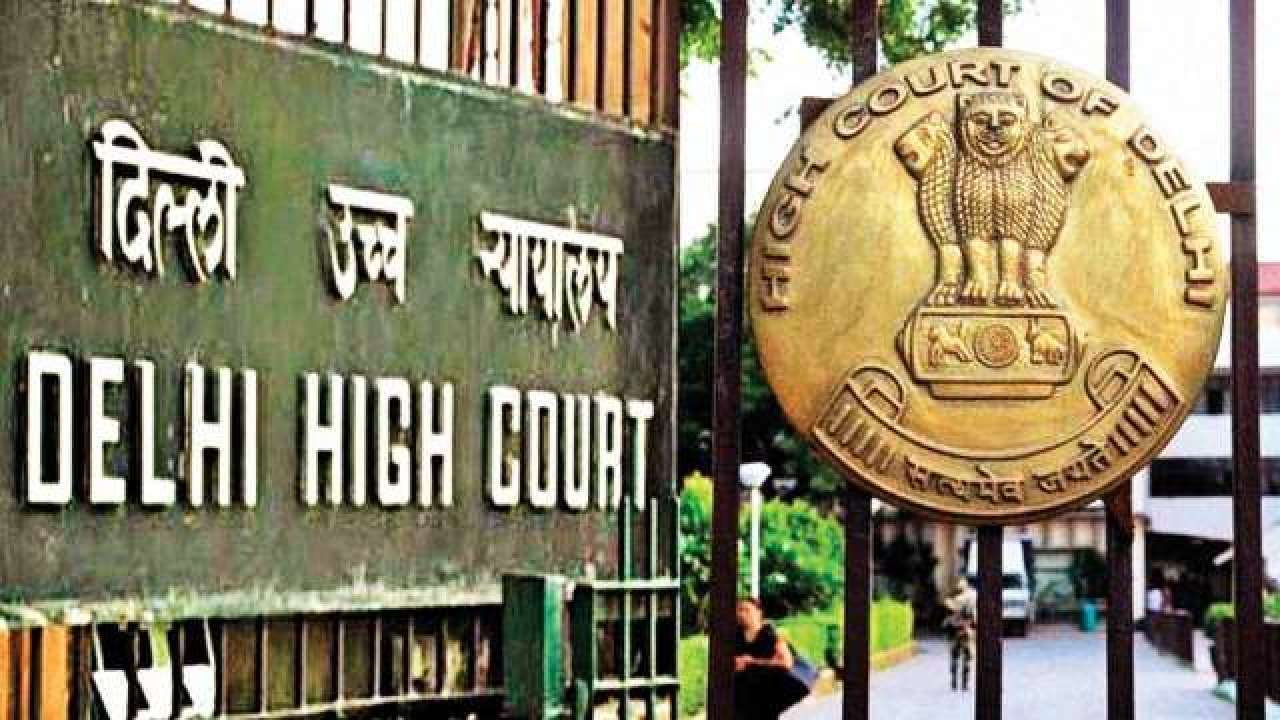
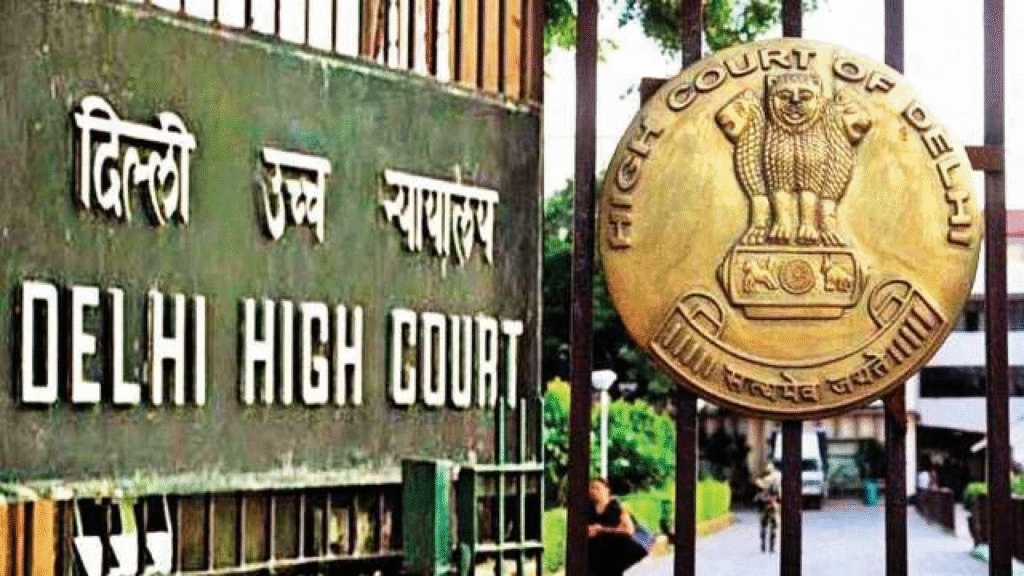
    The Delhi High Court on Wednesday treated a public interest litigation (PIL) concerning fire safety in the city as a representation and directed relevant authorities to take immediate action to address the issues raised. The court emphasised the importance of proactive measures to prevent fire hazards in residential and commercial buildings, noting that lapses in safety protocols could have severe consequences for public life. The bench urged municipal bodies, fire departments, and other stakeholders to inspect vulnerable structures, ensure compliance with fire safety norms, and take remedial steps wherever necessary.

    The PIL, filed by a concerned citizen, highlighted several instances of non-compliance with fire safety regulations, including blocked exits, inadequate firefighting equipment, and insufficient emergency preparedness in densely populated areas. The High Court’s decision to treat it as a representation reflects its intent to expedite remedial action without entering protracted litigation. Legal experts noted that such directions reinforce the accountability of civic authorities and underscore the judiciary’s proactive role in safeguarding public safety. Authorities have been instructed to submit a report on the measures undertaken to rectify deficiencies, while citizens have been encouraged to remain vigilant and report potential fire hazards to ensure timely intervention.

  • Instead of Confronting Pakistani Propaganda, Nehru Chose to Belittle Him: Political Comment on Historical Legacy

    Instead of Confronting Pakistani Propaganda, Nehru Chose to Belittle Him: Political Comment on Historical Legacy

    New Delhi, January 7:
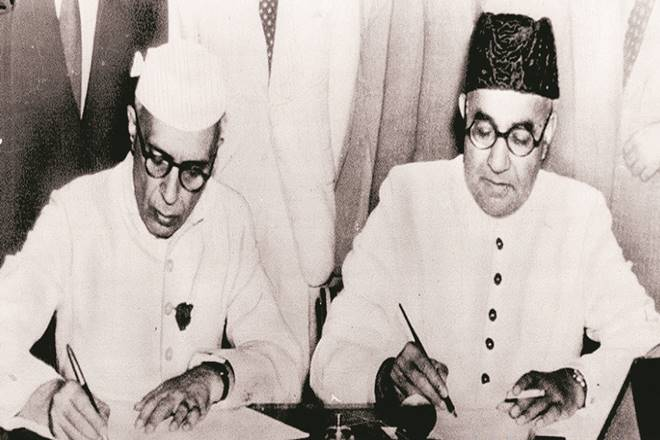
    A senior political commentator on Wednesday criticised former Prime Minister Jawaharlal Nehru’s approach to Pakistan during his tenure, stating that “instead of confronting Pakistani propaganda, Nehru chose to belittle him.” The remarks came in the context of a broader discussion on historical decisions, diplomatic strategies, and the long-term implications of Nehru’s foreign policy on India-Pakistan relations. The commentator argued that the perceived underestimation of Pakistan’s political messaging and propaganda allowed narratives unfavourable to India to gain traction internationally, affecting diplomatic standing and shaping regional perceptions for decades.

    The comments have sparked debate among historians, politicians, and the public about the efficacy of Nehru’s foreign policy decisions and their relevance in today’s geopolitical context. Analysts pointed out that while Nehru emphasised diplomacy, dialogue, and multilateral engagement, critics argue that more assertive strategies could have curtailed misinformation and strengthened India’s position. The discussion also highlights the continuing impact of historical narratives on contemporary politics, with various stakeholders revisiting past decisions to evaluate lessons for current and future policy-making. Observers noted that such statements often serve as a reminder of the enduring complexities of India-Pakistan relations and the delicate balance between diplomacy, perception management, and national interest.

  • Himachal Governor Urges People to Have ‘Faith’ in Indian Government’s Actions

    Himachal Governor Urges People to Have ‘Faith’ in Indian Government’s Actions

    Shimla, January 7:
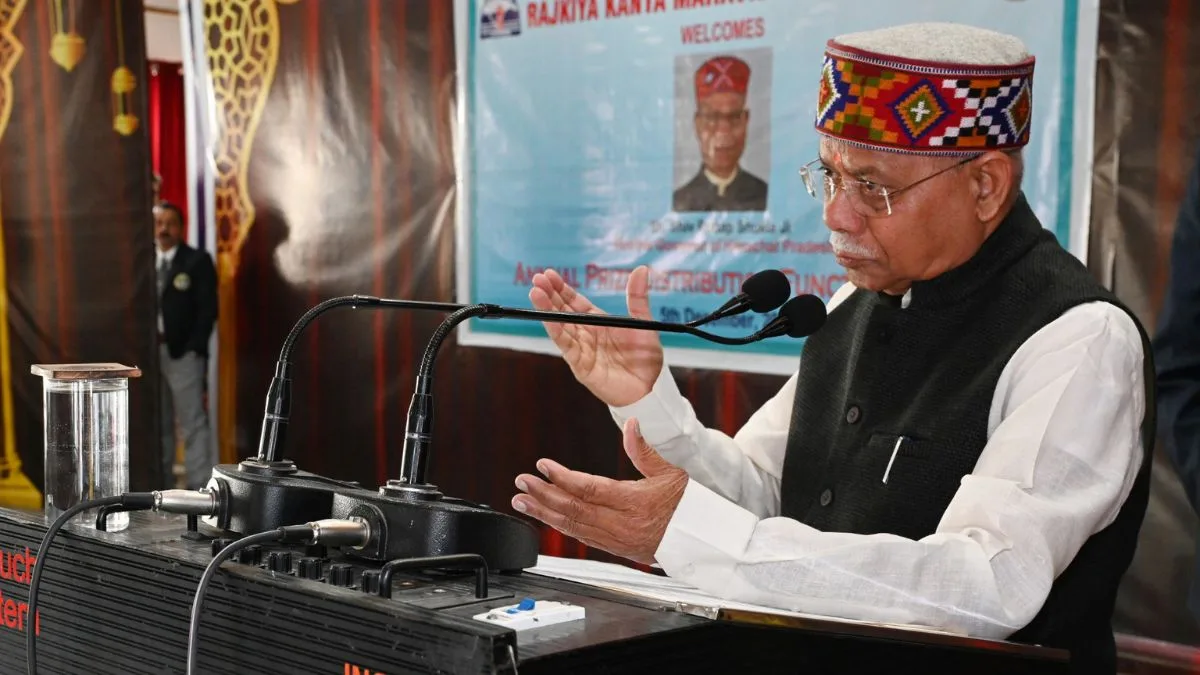
    Himachal Pradesh Governor on Wednesday urged citizens to maintain confidence in the actions and initiatives of the Indian government, highlighting the importance of public trust in fostering national development and security. Speaking at a public event, the Governor emphasised that citizens’ faith in government institutions is crucial for the successful implementation of policies, whether related to economic growth, social welfare, or national security. He noted that transparency, accountability, and timely execution of government programs are essential for strengthening the bond between the state and its people.

    The Governor further appealed to the public to remain patient and supportive, stating that several government measures, though sometimes misunderstood or delayed, are designed to deliver long-term benefits to the nation. Officials accompanying him reinforced the message, urging citizens to actively engage with government initiatives and report issues through proper channels rather than succumbing to misinformation or apprehension. Analysts noted that such statements are particularly significant in building public confidence during times of national challenges and policy transitions. The Governor concluded by urging unity, trust, and cooperation between the government and citizens to ensure sustainable progress and societal harmony across Himachal Pradesh and the country at large.